TheElite Training Group track club [TheETG]
Expanding the area of what is possible
In Track & Field distance running, in medicine, and in human psychology…….
As you continue to acquire and apply more information you continue to expand the area of what is possible.
The functioning of brain cells, muscle cells, blood cells, -all- cells are governed by the laws of nature, -not- your chosen belief system. Science identifies and describes the laws of nature. That information can be used to utilize the laws of nature to one’s advantage in human cellular function and thus human performance in sport and else where.
Data-less conclusions founded upon faulty assumptions are the mother of all screw-ups. They lead to human belief systems that quickly get set in stone insuring that new information gets shouted down as group think, ego, and resistance to change supplant data, logic and reason.
Put data ahead of dogma. Follow the data -not- the crowd.
“In God we trust…Everyone else must bring data.” —[W.Edwards Deming]
*****
In all areas of applied science and particularly in anything having to do with human performance, age & aging, and “its genetic”…..avoid group think, pursue critical thinking, engage in intellectual honesty.
The all too typical….”its genetic” argument cannot be inserted each time one cannot explain something. The all too typical….”science doesn’t explain everything” argument cannot be inserted each time one’s comfort zone is challenged. The laws of nature that control human cellular function are not governed by the dogma you have been indoctrinated into or the dogma you refuse to set aside.
“Nature, to be commanded, must be obeyed.” —[Francis Bacon]
*****
Critical Thinking is the opposite of blind engagement in group think. It is applied Intellectual Honesty.
Always think and reason in terms of underlying mechanisms of how things work. Respond to any assumption, especially your own……with the question, why is that, and be willing to embrace an intellectually honest answer.
“Refrain from illusions, insist on work and not words, patiently seek divine and scientific truth” —[Maria Mendeleeva]
.
The lay public, sport fans, athletes, and coaches blind faith in the efficacy of drugs in general…..particularly with drugs in sport.
Critical thinking.
Clinical reasoning.
Intellectual honesty.
Put reality ahead of myth, bias, anecdote, and exaggeration. Put data ahead of dogma.
*****
Stop implementing the same idea, expecting a different outcome.
Stop going down the same path expecting it to end someplace else.
Stop getting that second opinion from the same belief system that produced the first one.
If you accept crap, if you believe in crap, you’ll awake one day and find yourself knee deep in it.
That’s on you!!!
*****
“I don’t know that there is any magic level of interest in science that people ought to have. But the more they understand, the more they will be able to control their destiny and achieve their other aims.” —[Stephen Hawking]
To be a good track coach one must -first- be a good physiologist.
To be a good medical doctor one must -first- be a good physiologist..
To be a good physiologist one must -first- be willing to…………
— put data ahead of dogma, follow the data -not- the crowd
— put science ahead of indoctrinated tradition
— put logic and reason ahead of faulty assumptions
— put mechanisms ahead of correlations and “risk factors”
— put critical thinking and clinical reasoning ahead of a memorized set of “if–then” statements
— read and apply large amounts of published research
— accept outcomes as the judge and jury of your work
*****
The brain is a computer.
TheETG free pdf training packets
Mission: Expand the area of what is possible for human performance in distance running. One of TheETG methods of achieving that is to proliferate applied science based information by way of –free– packets containing plain language info for “the average joe” seeking to move themselves or others forward.
Across the last 17 years downloads of TheETG free pdf packets have averaged over 4000 per year.
Each year, downloads of TheETG free pdf packets have ranged between 2000 – 11,000.
TheETG training program —– https://theetgtrackclub.com/documents/TheETGstandardizetraining.pdf
TheETG food & supplements —– https://theetgtrackclub.com/documents/TheETGstandardizefoods.pdf
TheETG human psychology —– https://theetgtrackclub.com/documents/TheETGpsychology.pdf
TheETG recovery, restoration, adaptation —– https://theetgtrackclub.com/documents/TheETGRecoverRestoreAdaptMasterOfSport.pdf
TheETG background science info —– https://theetgtrackclub.com/documents/TheETGsportscibackgroundMasterOfSport.pdf
TheETG coach development —– https://theetgtrackclub.com/documents/TheETGcoachingMasterOfSport.pdf
.
TheETG warm-up —– https://theetgtrackclub.com/documents/TheETGstandardizedwarmup.pdf
TheETG range of motion —– https://theetgtrackclub.com/documents/TheETGstretchMasterOfSport.pdf
TheETG optimal running form —– https://theetgtrackclub.com/documents/TheETGrunningformMasterOfSport.pdf
.
ETG info: genetics vs training —– https://theetgtrackclub.com/documents/TheETGgenesMasterOfSport.pdf
ETG info: physiological overtraining —– https://theetgtrackclub.com/documents/TheETGOvertrainMasterOfSport.pdf
.
ETG info: drugs & drug testing, sham & scam —– https://theetgtrackclub.com/documents/TheETGstopdrug.pdf
Blind faith in the efficacy of drugs in sport. Put -reality- ahead of myth, put data ahead of dogma. It matters.
—————–
“Many of these compounds in a highly-trained individual do absolutely nothing from the point of view of enhancing performance…..”
“…Athletes think if it’s on a list, it works.”
Roger Pielke Jr
Director of the Sports Governance Centre
University of Colorado-Boulder
—————–
“WADA’s expansion of banned substances has created a conflict of interest because “a bigger list implies a need for more tests and more testing, which both imply an expansion of the anti-doping industry…..”
S.Devi
Overhaul of global anti-doping system needed
Lancet — Volume 387 #10034 — May 28, 2016 — page 2188
.
TheETG running injury repair —– https://theetgtrackclub.com/documents/TheETGinjuryrepairMasterOfSport.pdf
TheETG back, neck, & frozen shoulder repair —– https://theetgtrackclub.com/documents/TheETGbackshoulderrepair.pdf
TheETG knee meniscus, ACL, & rotator cuff repair —– https://theetgtrackclub.com/documents/TheETGkneeshoulderrepair.pdf
.
TheETG Track & Field Promotions Project —– https://theetgtrackclub.com/documents/TheETGTrackPromotionmasterofsport.pdf
TheETG “This Is Track & Field” document —– https://theetgtrackclub.com/documents/TheETGThisIsTrack&Fieldmasterofsport.pdf
.
.
.
.
.
The ETG Competent Self-Care Project
.
.
A major part of TheETG mission is to expand the area of what is possible in competent self-care in medicine and psychology. TheETG’s primary method of achieving that is to proliferate applied science based information by way of –free– packets containing plain language info for “the average joe” seeking to move themselves or others forward in these areas.
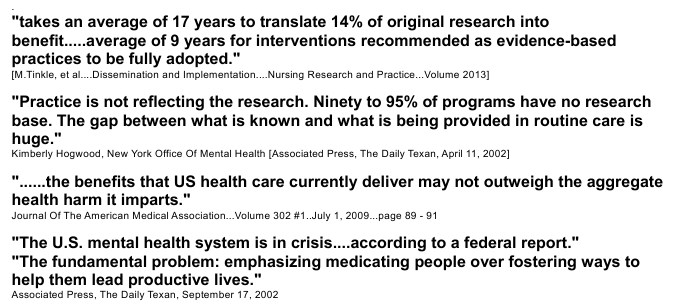
These packets attempt to address the following problem………….
.
Competent Self-Care: Medicine……The best medicine comes with no risk-versus-benefit equations to contemplate, no daily violations of “first, do no harm”, no whac-a-mole medicine being practiced to medicate each health issue as it pops up. To be a good doctor one must -first- be a good physiologist. And in order to have a fully functioning health care system available to all human beings in America its core must be comprised of competent self-care and good physiologists.
Competent Self-Care: Psychology……So-called “mental health professionals” should practice more mental health and less pharmacology. The goal of applied psychology is to empower people to achieve self-mastery. This should be the goal of competent self-care and all psychologists. Parenting….dysfunction moves from the parents, into the home, into the kids, into the streets, into the norm. Personal growth toward being a fully functional human being can move from the parents, into the home, into the kids, into the streets, into the norm.
To be a good medical patient one must -first- be a good consumer.
To be a good consumer of health care services one must be willing to….
— put fixing a problem ahead of medicating one
— discern between what is known and what -your- doctor knows
— put outcomes ahead of loyalty to your doctor and your doctor’s kind demeanor
— put your life ahead of loyalty to your doctor
— avoid emtionalizing disease and allowing emotion to make health care choices
— avoid seeking a 2nd opinion from practitioners of the same brand name of medicine that produced the first one
.
TheETG free pdf competent self-care packets
Mission: Expand the area of what is possible for human performance in competent self-care in medicine and psychology. TheETG’s primary method of achieving that is to proliferate applied science based information by way of –free– packets containing plain language info for “the average joe” seeking to move themselves or others forward in these areas.
Across the last 17 years downloads of TheETG free pdf packets have averaged over 4000 per year.
Each year, downloads of TheETG free pdf packets have ranged between 2000 – 11,000.
.
ETG info: quackery of American traditional medicine —– https://theetgtrackclub.com/documents/TheETGTradmedquackery.pdf
.
Reverse & Repair………
TheETG cancer repair —– https://theetgtrackclub.com/documents/TheETGcancerkill.pdf
TheETG heart disease repair —– https://theetgtrackclub.com/documents/TheETGheartfix.pdf
TheETG type 2 diabetes repair —– https://theetgtrackclub.com/documents/TheETGreversetypetwodiabetes.pdf
TheETG repair of brain cell overwork, overwhelm, “mental illness” —– https://theetgtrackclub.com/documents/TheETGbrain.pdf
TheETG vision repair —– https://theetgtrackclub.com/documents/TheETGvision.pdf
TheETG ear & hearing training —– https://theetgtrackclub.com/documents/TheETGhearwell.pdf
TheETG teeth cavity reversal —– https://theetgtrackclub.com/documents/TheETGtoothrepair.pdf
TheETG addiction —– https://theetgtrackclub.com/documents/TheETGreverseaddiction.pdf
Reverse & Repair………
TheETG quadriplegic, paraplegic nerve repair —– https://theetgtrackclub.com/documents/TheETGnervequadpara.pdf
TheETG back, neck, & frozen shoulder repair —– https://theetgtrackclub.com/documents/TheETGbackshoulderrepair.pdf
TheETG knee meniscus, ACL, & rotator cuff repair —– https://theetgtrackclub.com/documents/TheETGkneeshoulderrepair.pdf
TheETG running injury repair —– https://theetgtrackclub.com/documents/TheETGinjuryrepairMasterOfSport.pdf
.
Training To Live Training For Life………
TheETG mechanisms of aging —– https://theetgtrackclub.com/documents/TheETGmechanismsaging.pdf
TheETG human psychology —– https://theetgtrackclub.com/documents/TheETGpsychology.pdf
The Way….of life —– https://theetgtrackclub.com/documents/TheETGTheWaytolive.pdf
TheETG mechanisms of functional romantic relationships —– https://theetgtrackclub.com/documents/TheETGrelationships.pdf
TheETG parenting —– https://theetgtrackclub.com/documents/TheETGParentcoach.pdf
Training To Live Training For Life………
TheETG immune system —– https://theetgtrackclub.com/documents/TheETGimmuneboost.pdf
TheETG mind-body medicine —– https://theetgtrackclub.com/documents/TheETGmindbodymed.pdf
TheETG exercise program —– https://theetgtrackclub.com/documents/TheETGexerciseprotocol.pdf
TheETG general maladies —– https://theetgtrackclub.com/documents/TheETGgeneralmaladies.pdf
TheETG nutrition medicine —– https://theetgtrackclub.com/documents/TheETGfoodmedicine.pdf
.
TheETG info………
ETG info: alcohol & caffeine —– https://theetgtrackclub.com/documents/TheETGstopalcoholcaffeine.pdf
ETG info: mechanisms of osteoporosis —– https://theetgtrackclub.com/documents/TheETGnoosteoporosis.pdf
ETG info: birth control via ovulation detection —– https://theetgtrackclub.com/documents/TheETGnodrugbirthcontrol.pdf
ETG info: serial rapist-killer, child molester —– https://theetgtrackclub.com/documents/TheETGunderstandingserialrapekillermolester.pdf
ETG info: major social issues —– https://theetgtrackclub.com/documents/TheETGSocialIssues.pdf
ETG info: basics of solar & wind electricity —– https://theetgtrackclub.com/documents/TheETGelectricity.pdf
.
TheETG model………
TheETG academic training —– https://theetgtrackclub.com/documents/TheETGLearning.pdf
TheETG school curriculum —– https://theetgtrackclub.com/documents/TheETGschoolcurriculum.pdf
TheETG model of prisons —– https://theetgtrackclub.com/documents/TheETGprisonmodel.pdf
TheETG model of local TV news —– https://theetgtrackclub.com/documents/TheETGtvnews.pdf
.
Marshall Burt’s formal complaints to the Virginia Board Of Medicine on 5 of his dad’s doctors + VBM responses —– https://theetgtrackclub.com/documents/complaintstoVirginiaBoardOfMedicine.pdf
.
.
—–
.
.
TheETG Medical Message Of The Day
.
.
—–
.
At the beginning of each year, very large numbers of Americans decide to take up an exercise program, join a gym, etc. Exercise Psychology is a PhD degree program at many of our country’s universities. There are several research journals dedicated solely to this subject.
Some applied info from the last 30 years……
.
Most people that begin an exercise program will quit within about 3 weeks. To stick with a program it helps to have the brain programming, a.k.a. self-image of an exerciser. It takes about 3 weeks to significantly change one’s self-image. When exercising becomes who you are rather than just something you do, you will stick with it long term.
Until you see yourself as an exerciser, until you adopt the self-image of an exerciser, it takes an investment of self-discipline and dedication to your fitness/weight loss goal to utilize intrinsic motivation to get you through the first 3 weeks. This time frame is where you’ll need to repeatedly overcome sabotage attempts by one’s current brain programming.
.
The further away your self-image is from that of an exerciser, the greater will be the required effort invested in getting through the 3 week critical period of taking on the mindset of an exerciser. Stopping, changing, overcoming one’s self-talk is a necessary path all folks have to successfully navigate.
.
The exercise program.
Keep it easy or reasonable….meaning, do things you can stick with for 4 to 5 decades of life.
Avoid fads.
Avoid fad fitness equipment.
Avoid fad fitness classes.
If you aren’t gonna be getting up at 4am for 40 years to exercise, you probably won’t stick with the 5am boot camp stuff. Keep it easy or reasonable. Do things you can stick with for 4 to 5 decades of life.
.
If you join a gym, keep in mind that its the weights, not the cardio machines that are the most important aspect of your long term health and wellness, especially if you didn’t lift weights in your childhood, teenage, or young adult years.
.
And if you join a gym, the good news is that long term health comes not just from activity, but from simply sitting in the Jacuzzi or sauna for several minutes.
Nerve growth factor.
Brain derived neurotrophic factor.
Other brain neurotrophins.
Growth hormone, and many other anabolic, tissue building substances and various “heat shock” proteins.
All of this can come with sitting down and doing nothing in a Jacuzzi or sauna.
.
Lastly, not all exercise programs are the same.
They don’t all yield the same results.
Once you get through that 3 week period, invest in learning. Superior exercise programs yield superior results.
There is much activity taking place at your local gym that is nonsense. You may like your personal trainer that’s telling you nothing but crap. You may love your fitness class and instructor that’s got you sweating through an hour, getting you less than what you could get in 10 to 15 minutes.
Buyer beware!
.
Though long term exercise [or lack thereof] dramatically impacts long term medical health, this subject is about the practice of Exercise Physiology not the practice of Medicine. Exercise Physiology is not taught at medical schools in America.
.
By definition, a doctor is not an expert in this huge area of human health. The TV commercial advice saying “ask your doctor” before starting an exercise program should actually be “ask your state medical board” why Exercise Physiology and Human Nutrition don’t comprise most of the medical licensing educational requirement for your medical doctor.
.
Have at it!!!
——————
.
The brand I use, one of which is the one in the video…….
Dr Ohhiras Probiotics 12 Plus
https://www.amazon.com/gp/product/B00141B7SS/ref=oh_aui_search_detailpage?ie=UTF8&psc=1
——————
.
Dr Ohhira’s = 900 million CFU
Reg’Activ = 4 to 6 billion CFU of ME-3
—– TH-10 in Dr Ohhira’s supposedly stronger than all other bacteria
——————
.
from Japan, manufacture of Dr Ohhiras
http://www.youtube.com/watch?v=sJ4GDCAAASc
.
This applies to hot baths and hot jacuzzi'.......

Rhonda Patrick----"The sauna robustly increases levels of heat shock
proteins for up to 48 hours. Heat shock proteins play a preventative role
in neurodegenerative diseases among other things and sauna use is
associated with a 66% lower risk of Alzheimer's disease."

"I have a new paper out with my coauthor Teresa Johnson on how the sauna is
a healthy lifestyle practice to increase healthspan!"

https://www.sciencedirect.com/science/article/pii/S0531556521002916?via%3Dih
ub#bb0425
--------------------------------


My facebook friends research scientist Rhonda Patrick and husband Daniel in
San Diego, Calfornia....via their website ["Found My Fitness"] they
proliferate videos of Rhonda's informational lectures and extensive
interviews of world leading researchers in nutrition medicine and health.

On their way toward the half a million youtube subscribers
.
http://www.foundmyfitness.com
Nutrition Medicine = food and/or supplements as medicine.
“This study aimed to determine the relationship between vitamin D status and upper respiratory tract infection…..”
“1644 military recruits were observed across basic military training.”
“In study 2, a randomized controlled trial, 250 men undertaking military training received placebo, simulated sunlight….three times per week for 4 weeks and then once per week for 8 weeks…..or oral vitamin D 3, 1000 IU per day for 4 weeks and then 400 IU per day for 8 weeks.””In study 1, only 21% of recruits were vitamin D sufficient during winter.”
“Vitamin D–sufficient recruits were 40% less likely to suffer upper respiratory tract infection than recruits with 25(OH)D less than 50 nmol·L….”
“Each upper respiratory tract infection caused, on average, three missed training days.”
“Compared with placebo, vitamin D supplementation reduced the severity of peak upper respiratory tract infection symptoms by 15% and days with upper respiratory tract infection by 36%…”
S.E.Harrison, et al ——- Influence of Vitamin D Supplementation by Simulated Sunlight or Oral D3 on Respiratory Infection during Military Training ——- Medicine & Science In Sports & Exercise — Volume 53 #7 — July 2021 — page 1505
Change. The nature of which reminds me of the lyrics from the mid-1980’s song by Bruce Hornsby & The Range. The song called…..”The way it is”. “That’s just the way it is. Some things will never change.”Perhaps the most important line in the song is…..”but don’t you believe them”.
Often, optimism is the position taken by the realist, not the dreamer.
Often pessimism is the position taken by the one that’s out of touch with reality.
Positive change is an outcome of growth. Some people grow. Some people are stuck where they are.Some people grow without intending to. Some intentionally pursue it aggressively. Some intentionally avoid it. Many people grow in many areas of their life.Many growth oriented people have one area in particular where they are stuck and not really pursuing forward movement.
Those that experience drama and trauma early in life can come to view the pursuit of growth as too touchy feely for them. Those that experience drama and trauma early in life can come to view the pursuit of growth as a basic necessity like oxygen and water.
Growth is a tool to advance oneself in life. Growth is a state of being you’re in at a point in time. Growth is a destination. Growth is a noun, a verb, and an adjective. Growth is a “spiritual beings on a human journey” type thing.Growth is arguably the purpose of life.
— That excellent doctor whose name you blindly got out of the yellow pages
— That doctor your insurance company blindly sent you to
— That excellent specialist you were blindly sent to by the doctor you blindly came upon
— That excellent doctor your friend blindy went to and blindly recommended to you
Jackpot! Congrats! You’re yet another magical American that somehow blindly happened upon an excellent practitioner of Traditional Medicine who’s practice is paradoxically founded upon research rather than tradition handed down at medical school. Your doctor is excellent, he/she smiles and sounds good, therefore it must be so.
You’re not getting hoodoo voodoo, they don’t practice that “Alternative” Medicine stuff. The truth if you’re willing to hear it……Some portion of the treatment from your practitioner of Traditional Medicine is contradicted by research, and is thus quackery. What percentage of the treatment you believe in from the doctor you believe in is quackery. That number is greater than zero and is likely to be greater than 50 as your diagnosis escalates up the chain in degree of seriousness.
Pretend that you believe that you and your life are worthy of better. Fake that until your self-image allows you to believe that its actually true and grants you permission to behave accordingly.
Become willing to do your homework rather than continue to believe that you’re yet another magical American that hit the lottery.
Become willing to take matters into your own hands.
Become willing to discard the story you’ve been telling yourself…..insurance doesn’t cover it, I can’t afford it, it won’t work for me I’m different.
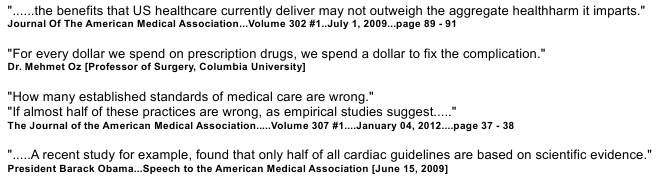
“The doctors do not always know best and often fail to provide the appropriate care.”
[Consumer Reports On Health…..April 2002 — When Doctors Don’t Know Best]
—————-
“…..most doctors don’t read or understand medical research…”
Richard Smith [editor, British Medical Journal]………..Volume 326 #14……June 2003]
—————-
“…..too many doctors and patients are making decisions without the benefit of latest research…….A recent study for example, found that only half of all cardiac guidelines are based on scientific evidence.”
President Barack Obama…Speech to the American Medical Association [June 15, 2009]
—————-
“……the benefits that US health care currently deliver may not outweigh the aggregate health harm it imparts.”
Journal Of The American Medical Association…Volume 302 #1..July 1, 2009…page 89 – 91

“The aim of this meta-analysis of cohort studies was to investigate the association between food intake and dietary patterns and overall mortality among cancer survivors.””A total of 117 studies enrolling 209,597 cancer survivors were included.”
“Higher intakes of vegetables and fish were inversely associated with overall mortality, and higher alcohol consumption was positively associated with overall mortality….”
“Adherence to the highest category of diet quality was inversely associated with overall mortality, as was adherence to the highest category of a prudent/healthy dietary pattern. The Western dietary pattern was associated with increased risk of overall mortality.”
“Adherence to a high-quality diet and a prudent/healthy dietary pattern is inversely associated with overall mortality among cancer survivors, whereas a Western dietary pattern is positively associated with overall mortality in this population.”
C.Schwedhelm
Effect of diet on mortality and cancer recurrence among cancer survivors: a systematic review and meta-analysis of cohort studies
Nutrition Reviews — 74 #12 — December 2016 — page 737
Know your numbers……
— covid herd immunity at 75% of Americans vaccinated
— 75% of Americans = 250 million
— vaccinated Americans = 25 million
— 250 – 25 = 225 million remaining
Rate of vaccination……
— time to 1 million vaccinations per day = 4 weeks from today
— 4 weeks from today = March
From March 1…..
— time to 225 million vaccinations = 225 days
— 225 days = September– herd immunity = September
Anaphylaxis, reaction to mRNA vaccines.
There is no way to prevent all issues. But during this official rollout of the vaccines, 100% of the people that have reacted are healthcare workers. People that should have screened themselves out of the process or been screened out by the person that gave them the shot. A doctor has been the most recent person to have a problem.
Screening yourself. Don’t be the cause of a negative media story that discourages others from getting the shot……….Question 1 —– ever had an allergic reaction following any kind of healthcare related procedures, including drug or vaccine injection.
Question 2 —– do you carry anything with you for use in response to an allergic reaction.
——- If you answer yes to both questions…..maybe you shouldn’t get a shot. Our country can reach “herd immunity” with more than 70 million Americans -not- getting a shot. For now, maybe we’re not sufficiently desperate that we need you to get in line ahead of somebody that can answer no to both questions.
——- If you answer yes to question 1….consider getting a shot, but get it either at a hospital or doctor’s office. They have the ability to address whatever might happen.
Walgreens isn’t a hospital or doctor’s office.
CVS isn’t a hospital or doctor’s office.
Walmart isn’t a hospital or doctor’s office.After you get your shot at a hospital or doctor’s office…..sit there for 30 to 45 minutes before you leave.If something is gonna happen to you that might require something more than your aunt Betty’s home remedy, you’ll probably experience it during that time frame.
——- If you answer yes to question 2…..maybe you shouldn’t get a shot. Our country can reach “herd immunity” with more than 70 million Americans -not- getting a shot. Maybe we’re not sufficiently desperate that we need you to get in line ahead of somebody that can answer no to both questions.
But if you’re determined to get a shot consider getting it either at a hospital or doctor’s office. They have the ability to address whatever might happen.
Walgreens isn’t a hospital or doctor’s office.
CVS isn’t a hospital or doctor’s office.
Walmart isn’t a hospital or doctor’s office.
After you get your shot at a hospital or doctor’s office…..sit there for 30 to 45 minutes before you leave.If something is gonna happen to you that might require something more than your aunt Betty’s home remedy, you’ll probably experience it during that time frame.
“Nearly 1 in 10 patients who were discharged after receiving inpatient care for coronavirus disease earlier this year were readmitted within 2 months…..”
“….CDC investigators analyzed hospital records and administrative data for 126,137 patients with COVID-19 who were admitted between March and July.””They found that 15% of the patients died during their initial hospitalization.”
“Among survivors, 9% were readmitted to the same hospital within 2 months of discharge and 1.6% were readmitted more than once.”
“15% of patients discharged to nursing home care were readmitted to a hospital, as were 12% who were discharged to home health care and 7% who didn’t need professional care at home.”
“Diseases of the circulatory, respiratory, or digestive systems were readmitted patients’ most common discharge diagnoses.”.”Although Black and Hispanic patients were overrepresented among the hospitalized patients, they were less likely than White patients to be readmitted.”
B.M.Kuehn
Hospital Readmission Is Common Among COVID-19 Survivors
Journal Of The American Medical Association — Volume 324 #24 — December 22/29 — page 2477
Covid vaccine via mRNA.
The base of exercise physiology = mRNA.
The base of sport training = mRNA.
The purpose of training is to improve cell function.Cell function improves when specific things inside cells increase in number, activity, or improved in structure. Workers inside cells build these specific things inside cells to increase them in number, activity, or improved structure.
The workers inside cells build these specific things by following a set of instructions of what to build and how to build it.
The workers are called ribosomes.The instructions are called DNA.Copies of the instructions are called mRNA.
The flu and other vaccines are traditional approaches. The mRNA vaccines are a new approach. Like digital music replacing an 8 track.
These are the first generation of them. They aren’t based on taking snippets of a virus.
In this case, they take the DNA code of the so called “spike protein”, the thing that sticks out from the virus surface that allows it to attach to your cells. They take the genetic code that tells a cell how to make it. The xerox copy of those instructions is called mRNA. The vaccine is comprised of that mRNA. When it gets into your blood stream, your immune system cells will get programmed to recognize it as something they should destroy.
They’ll produce anti-bodies that will attach themselves to any spike protein that shows up in your body. Then immune cells will attach themselves to the anti-bodies and destroy whatever the anti-body is attached to.
These mRNA vaccines only take a few weeks to make. The ability to get mRNA into the body without degrading took 30 years to develop.
Its the clinical trials that take 5 years…..not production of the vaccine.
The reason why drug companies could make the vaccine so quickly is because the technology already existed prior to January 2020. They just had to sit around and wait for a problem virus to emerge. When covid emerged in China, some folks tracked down infected patients, identified the virus, then set out to identify the DNA for some part or structure on the surface of the virus that they believed would be something the immune system could recognize and attack.
FDA authorization to skip the 5 year clinical trials on about 200,000 to 300,000, instead going 2 months with about 30,000 to 40,000 is what has happened December 11, 2020.
The independent, non-government, non-Trump influenced, 22 person panel that advises the FDA on these things voted in favor on December 10, 2020.
The vote was 17 to 4, with 1 abstention.Obviously 17 – 4…..isn’t 22 – 0.The 4 that voted “no” aren’t anti-vaxers. They had concerns.You can listen to them speak at the meeting of the group, it was public. CSPAN. org.
Traditional vaccines have harmed a lotta people. The mRNA vaccines don’t contain much of the crap that can cause issues.Their main downside is on the front end. The initial reaction after the 2nd shot. It happens in half or more of the people that get the vaccine. The 1 or 2 days of severe fatigue, headache, nausea, etc can be problematic for some people.
At present, the real deal type of harm doesn’t appear to be likely with this mRNA approach because the mRNA degrades in a couple hours, and there are fewer avenues where something can go wrong.
The upside for mRNA vaccines is that they don’t have the potential contamination issues that have caused harm like the traditional vaccines, because they don’t contain the stuff that can get contaminated. That’s been a problem with traditional vaccines made at some FDA approved but not FDA inspected manufacturing places in China where American healthcare companies get their vaccines. A bunch of people at several businesses in Indiana, Kentucky and Ohio had that experience in early 2019.
Giving any vaccine to people that have diagnosed, serious immune system issues will cause harm. That happens in our country a lot!!!
The downside of many vaccines is that people who administer vaccines often fail to do proper screening to weed out people that one should know for certain are likely to suffer a serious problem.This happened in Britain with some of the first people to get the vaccine. A couple of healthcare workers, both, quite predictably had anaphylactic reactions. Both carry adrenaline shots with them due to how allergic they are to stuff, but somebody injected them with the vaccine anyway.They didn’t die so we say, oh well, collateral damage.
In our country we accept crap.
We shout down complaints as anti-vaxer rhetoric. We dismiss harm to people as collateral damage for the greater good.
The National Vaccine Injury Compensation Program……In the U.S. there are 4 billion reasons why you shouldn’t blindly mandate vaccines, or blindly trust drug companies.
Our federal government’s $4 Billion Vaccine Injury Compensation Fund. That’s not $400,000.Not $4 million.Its $4 Billion.
Over the years, Pfizer has been prosecuted criminally and civily by the United States Justice Department to the tune of more than $10 Billion in criminal fines and civil settlements.
These are reasons to abstain from brow beating people about vaccines.Over 55% of the country believe they’ll take the vaccine.At 89 – 91% effective our country only needs 70 % to 75% to get the vaccine, and some other people to where a mask when around people they don’t live with till sometime around the Fall 2021, so we can turn this into polio….almost eliminated.
That means 70 million to 90 million Americans that don’t need to be brow beaten or shamed into submission, trying to get them to take a vaccine.
Leave people alone.
Provide info and let them decide.
Don’t brow beat, leave people alone.If you’re a libertarian on many issues, leave people alone.
If you’re pro choice on abortion, leave people alone.
Provide info and let them decide.

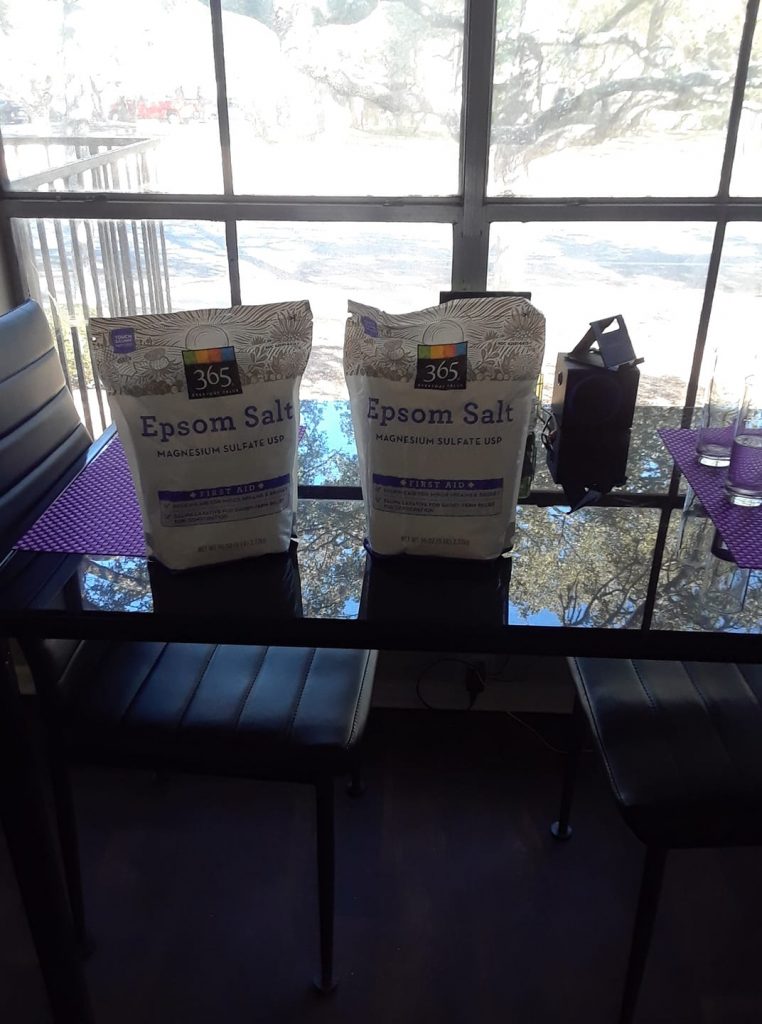
magnesium
1 of the 3 majors [vitamin D3, iodine, magnesium] that impact the function of nearly every cell in the human body.
Impact the 3 major areas of human functioning……the brain, the nervous system, the immune system. Also the major items most widely estimated to be in population-wide deficiency in America.
Epsom salt bath = 10 minutes hot bath in epsom salts [magnesium absorbed through skin]. The heat of the hot bath provides stimuli for production of nerve growth factor, brain derived neurotrophic factor, isoforms of growth hormone, isoforms of insulin-like growth factor-1, and blood flow for regenerative functions in brain, nerve, immune system.
“After initial pilot studies, all volunteers took baths (temperatures 50-55°C) and stayed in the bath for 12 minutes.” “….soaking in Epsom salts therefore increases blood magnesium concentrations…”
“…..all individuals had significant rises in plasma magnesium and sulfate at a level of 1% Epsom salts. This equates to 1g MgS04/100ml water; 600g Epsom salts/60 litres, the standard size UK bath taken in this project (~15 US gallons). However, most volunteers had significantly raised Mg/S0 levels on baths with 400g MgS0 added. Above the 600g/bath level, volunteers complained that the water felt ‘soapy’.”
“The values obtained suggest that most people would find maximal benefit by bathing 2 or 3 times/week, using 500-600g Epsom salts each time.”
“Bathing in Epsom salts is a safe and easy way to increase sulfate and magnesium levels in the body.”
R.H Waring Report on Absorption of magnesium sulfate (Epsom salts) across the skin School of Biosciences, University of Birmingham, United Kingdom .
TheETG recovery, restoration, adaptation —– https://theetgtrackclub.com/documents/TheETGRecoverRestoreAdaptMasterOfSport.pdf
Running injuries 101
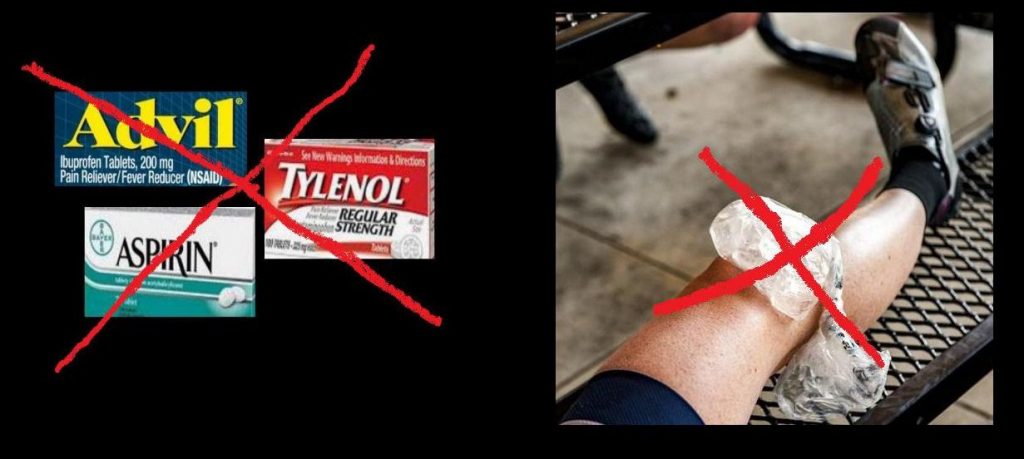
Just Say No to Ice & Anti-inflammatories.
Heal Faster
The primary reasons injuries often take people several weeks to several months to deal with are;— Multiple uses of ice, anti-inflammatories, and anything else that decreases blood flow to a healing tissue, and/or decreases immune cell function in and around a healing tissue…..will also account for a slow recovery time. Rest and stretching are usually insufficient to improve the tissue’s ability to withstand training loads.
— Providing a low or no stimulus for healing. Doing so-called “strengthening exercises” with little or no weight//resistance [ie. use of rubber tubing, etc]. The amount of weight/resistance determines the amount of stimulus for cells that are responsible for healing.
— Doing a bunch of reps and sets of “strengthening exercises” with no progressive increase in weight//resistance as strength of the tissues increase.
— The frequency of application of a strengthening stimulus is a major determining factor on the rate of healing. If you’re seeing a physical therapist, chances are you’ll be going only once or twice a week. If this is the only time that strengthening of the tissue is being induced, recovery will take quite a few weeks.
— Recurrent attempts to return to training before the tissue has acquired the strength necessary to endure their training loads..Say No To Drugs
Following the initial 24-48 hour period of injury, application of heat stimulus (5 – 10 minutes limb water submersion 100-105 degrees F) should be used to increase blood flow and energy production for repair processes. Ingestion of NSAID’s (anti-inflamatories) should be avoided since this will impair recovery, and potentially mask pain, leading one to believe it is ok to return to training.
Never…ever….under “any” circumstances…allow a doctor to inject the tissue with cortisone or any other substance that is well known to cause degradation of collagen and other tissue proteins…”The use of nonsteroidal anti-inflammatory drugs for the treatment of tendon inflammation might increase the levels of leukotriene B4 within the tendon, potentially contributing to the development of tendinopathy.”
“This finding is of interest because NSAID’s are routinely used in clinical practice for the symptomatic treatment of tendinopathy, such as inflammation and pain.”
“..the increased LTB4 level due to treatment with NSAID’s could potentially exacerbate the situation by leading to neutrophilic infiltration and lymphocytic activation, paradoxically causing further inflammatory and degenerative changes in the tendon.””..the results of this study suggest that the routine use of COX inhibitors for the symptomatic relief of inflammatory tendon conditions might inadvertently worsen the processes responsible for the development of tendinopathy.”
Zhaozhu Li, et. alInflammatory Response Of Human Tendon Fibroblasts To Cyclic Mechanical StretchingThe American Journal Of Sports Medicine..Volume 32 #2….2004…page 435 – 439———–
“Prostaglandins….potent modulators of inflammation……inhibitors of prostaglandin synthesis known as non-steroidal anti-inflammatory drugs [NSAID’s]…”
“Skeletal muscle regeneration comprises several overlapping cellular processes, including inflammation……””Prostaglandins may regulate muscle regeneration….”
“Prostaglandin synthesis is catalyzed by……cyclo-oxygenase [COX], which are inhibited by anti-inflammatory drugs.””COX-2 dependent prostaglandin synthesis is required during early stages of muscle regeneration and thus raise caution about the use of COX-2 selective inhibitors….”
B.A.Bondesen
The COX-2 Pathway Is Essential During Early States Of Skeletal Muscle Regeneration
American Journal Of Cell Physiology…..Volume 287…..2004….C475 – 483————-
iceing = cryotherapy — just say no to cryotherapy……….
“….the administration of nonsteroidal anti-inflammatory drugs or cryotherapy are common clinical practices to control the inflammatory process following connective tissue injury. However, there are contradictory conclusions on the potential of anti-inflammatory strategies to either prevent nonspecific damages or accelerate healing after acute tendon or ligament trauma.”
“Cumulative evidences also show that, apart from releasing catabolic enzymes, inflammatory cells can ultimately favor tissue healing through different biological processes.”
“Indeed, after the clearance of pathogens and other signals of danger, neutrophils will undergo apoptosis and be engulfed by phagocytic macrophages. Macrophages will then release growth factors that can stimulate fibroblast proliferation, collagen synthesis, and angiogenesis during the early phase of healing.”D.Marsolais, et alInflammatory cells do not decrease the ultimate tensile strength of intact tendons in vivo and in vitro: protective role of mechanical loading
Journal Of Applied Physiology…….Volume 102 #1……January 2007…..page 11 – 17
The lady in the photo lifting 150 pounds off the floor is in her 80’s.
But this post isn’t about her or the other photo. This is a “come on, man!” post.
Blaming stuff on age and aging is [pardon the pun] getting old.
Why can’t it just be ok to make certain life style choices and enjoy the upside of that. And when the downside starts to show up in your life just accept it without blaming it on something else.
Why must the downside of everything either be “its genetic” or “I’m getting old”.
If you’re 30 to 70 years old, those aches and pains aren’t “its genetic” and you ain’t old. .Can we please just dispense with the scapegoating.
If your life choices are ok to you then let them be ok. Enjoy the upside and stop trying to blame the downside on something else.
There are identical twins women and men in their 60’s and 70’s, genes exactly the same where one twin has arthritis the other does not. One is obese, the other is not. One has run a marathon, the other can’t get out of bed in the morning without aches and pains.
If you’re 40 something you’re not old. If you’re 50 something you’re not old. If you’re 60 something, you ain’t old either.
You don’t know what old is and you’re decades away from finding out. .Dispense with the bullshit that you’re constantly telling yourself and others. Its a self fulfilling prophecy.
Whatever you’re experiencing, you signed up for it and that’s ok. Let it be ok, stop putting it on genes, age or aging.
TheETG mechanisms of aging —– https://theetgtrackclub.com/documents/TheETGmechanismsaging.pdf

“Virus particles have been observed in the myocardium and vascular endothelium in patients with COVID-19 and cardiogenic shock.”
“In those without pre-existing cardiac disease (n = 901), the echocardiogram was abnormal in 46%, and 13% had severe disease.”
M.R.Dweck, et al
Global evaluation of echocardiography in patients with COVID-19European
Heart Journal: Cardiovascular Imaging — June 18, 2020
https://academic.oup.com/ehjcimaging/article/doi/10.1093/ehjci/jeaa178/5859292?searchresult=1
Put data ahead of dogma.
Follow the data, not Mr Trump…….
“Hydroxychloroquine or chloroquine, often in combination with a second-generation macrolide, are being widely used for treatment of COVID-19, despite no conclusive evidence of their benefit.”
“….the safety and benefit of these treatment regimens are poorly evaluated in COVID-19.”
“We did a multinational registry analysis of the use of hydroxychloroquine or chloroquine with or without a macrolide for treatment of COVID-19.”
.
“The registry comprised data from 671 hospitals in six continents. We included patients hospitalised between Dec 20, 2019, and April 14, 2020, with a positive laboratory finding for SARS-CoV-2.”
.
“14,888 patients were in the treatment groups (1868 received chloroquine, 3783 received chloroquine with a macrolide, 3016 received hydroxychloroquine, and 6221 received hydroxychloroquine with a macrolide) and 81,144 patients were in the control group.”
.
“We were unable to confirm a benefit of hydroxychloroquine or chloroquine, when used alone or with a macrolide…..”
.
“Each of these drug regimens was associated with decreased in-hospital survival and an increased frequency of ventricular arrhythmias…..”
.
M.R.Mehra, et al
Hydroxychloroquine or chloroquine with or without a macrolide for treatment of COVID-19: a multinational registry analysis
The Lancet [online] — May 22, 2020
.
.
“No specific antiviral drug has been proven effective for treatment of patients with severe coronavirus disease 2019. Remdesivir…….”
“We did a randomised, double-blind, placebo-controlled, multicentre trial at ten hospitals in Hubei, China. Eligible patients were adults admitted to hospital with laboratory-confirmed SARS-CoV-2 infection…..”
.
“Patients were randomly assigned in a 2:1 ratio to intravenous remdesivir (200 mg on day 1 followed by 100 mg on days 2–10 in single daily infusions) or the same volume of placebo infusions for 10 days.”
.
“Between Feb 6, 2020, and March 12, 2020, 237 patients were enrolled and randomly assigned to a treatment group (158 to remdesivir and 79 to placebo)….”
.
“Adverse events were reported in 102 (66%) of 155 remdesivir recipients…..”
.
“Remdesivir was stopped early because of adverse events…..”
.
“In this study of adult patients admitted to hospital for severe COVID-19, remdesivir was not associated with statistically significant clinical benefits.”
.
Y.Wang, et al
Remdesivir in adults with severe COVID-19: a randomised, double-blind, placebo-controlled, multicentre trial
The Lancet — Volume 395 #10236 — May 16 – 22, 2020 — page 1569
.
.
.
“In God we trust…Everyone else must bring data.” —[W.Edwards Deming]
.
“Most drugs are only effective for a small percentage of people who take them.”
[Michael Leavitt….U.S. Secretary of Health & Human Services 2005 – 2009]
“Historically, there is a lack of formalized nutrition training in both medical school and residency programs.”
“This study surveyed a group of family medicine residents to elicit previous nutrition education and outlook on nutrition counseling.”
.
“Participants were 30 family medicine residents in the final quarter of their individual postgraduate year of training. A total of 23 residents electively responded.”
.
“Except in diabetes, the overwhelming majority reported they were not adequately trained to give nutrition education in specific disease states. The group was not familiar with types of diets, the role of fatty acids, or the impact of specific vitamins on health.”
.
“The data from this survey indicate a need for formalized nutrition education in primary care training. From the survey data results, the next steps include building a nutrition curriculum to be implemented in the residency program and potentially set a standard for nutrition education….”
.
L.Cassidy-Vu, J.Kirk
Assessing the Need for a Structured Nutrition Curriculum in a Primary Care Residency Program
Journal of the American College Of Nutrition — Volume 39 #3 — 2020 — page 243
.
.
New England Journal Of Medicine…..
“Every spring, U.S. medical schools graduate some students who should not be allowed to become doctors.”
“…..medical schools have a responsibility to patients and the profession.”
S.A.Santen
Kicking the Can Down the Road — When Medical Schools Fail to Self-Regulate
New England Journal Of Medicine — Volume 381 #24 — December 12, 2019 — page 2287
.
“……the benefits that US health care currently deliver may not outweigh the aggregate health harm it imparts.”
Journal Of The American Medical Association…Volume 302 #1..July 1, 2009…page 89 – 91
Better than a test for the virus.
Better than a test for immunity to the virus.
Better than a pill to reduce virus replication.
Better than a vaccine against the virus.
Better than all of the above is the knowledge and applied ability to avoid inserting the virus inside yourself.
.
When our country opens up, you will encounter the virus in all of the places in these photos.
Please avoid inserting viruses inside yourself…….
—– Avoid group think.
In the real world of typical American life, when you’re out in public there isn’t a sink and soap dispenser or hand sanitizer next to everything you touch. And if your eyes or nose ich, you’re gonna touch your face.
—– Please rub your nose/eyes using the top of your forearm near your wrist [the non-palm side]. Pretend you have no hands or wrists.
—– Virus adhesion molecules.
Please wipe your hands off on your clothes before and after touching anything and everything when out and about in public. That includes door knobs and door handles, gas pumps, elevator buttons, handrails at stairs and escalators, waterfountain, etc. Wipe your hands off on your clothes before and after touching anything and everything.
—– If you have a virus you can prevent transmission by sneezing, coughing into your elbow rather your hand. And you can wipe your hands off on your clothes before and after touching anything and everything.
.
.
TheETG immune system —–
https://theetgtrackclub.com/documents/TheETGimmuneboost.pdf
TheETG mind-body medicine —–
https://theetgtrackclub.com/documents/TheETGmindbodymed.pdf
TheETG nutrition medicine —–
https://theetgtrackclub.com/documents/TheETGnutrimedicine.pdf
.
TheETG competent self-care
https://theetgtrackclub.com/selfcare

Public Health 101…..
For always, everyday, not just now during the pandemic. I’ve implemented this for myself for about the last 2 decades to avoid cold and flu viruses.
—– People are going to scratch an ich. So instead of “don’t touch your face”….rub your eyes/nose using the top of your forearm near your wrist [the non-palm side]. A place where you’re not touching door knobs, shaking hands, etc. Somewhat less likely to get or transmit a virus from there.
—– Program into your brain a deeply ingrained habit to wipe your hands off on your clothes before and after you use them to touch doors, door knobs and handles, gas pumps, stair-railing, escalator belts, etc, when out and about in public spaces.
—– If you have a virus you can prevent transmission by sneezing, coughing into your elbow rather your hand. And you can wipe your hands on your clothes prior to touching stuff or people when out and about in public.
.
Avoid group think…..
There isn’t a sink and soap dispenser or hand sanitizer next to everything you touch. Have an ich…..you’re gonna touch your face and you see no sinks, soap dispensers, or hand sanitizers in the real world of typical American life in these photos. Not by the stairwell, the escalator at the mall, airport or office, the gas pump, the door to your office building or school, the water fountain, etc.
.
Viruses.
Someone who has a virus sneezes or wipes/blows their nose. The virus gets out of their body in this way, often onto their hands, then onto things they touch…..door knobs, hand rails on stairs, and other objects common for other people to touch within a few minutes to a few hours later.
.
If –you– then touch one of those objects, the virus then gets onto you, often onto your hands. All that is necessary at this point is for you to use your hands to rub your eyes―nose–mouth without….first….having wiped them off on your clothes, towel, etc, or washed your hands.
.
The virus makes its way into your body. Though it will come under attack by your immune system, it will make a major effort to replicate and proliferate.
.
Treating folks like 1rst graders, offering up “wash your hands” and “don’t touch your face” as the main advice against massive viral spread. That’s not what Public Health in America should look like. When you dumb down science on subjects related to health and wellness you make it all but useless.
.
.
TheETG immune system —–
https://theetgtrackclub.com/documents/TheETGimmuneboost.pdf
TheETG mind-body medicine —–
https://theetgtrackclub.com/documents/TheETGmindbodymed.pdf
TheETG nutrition medicine —–
https://theetgtrackclub.com/documents/TheETGnutrimedicine.pdf
.
“Our aims were to compare the vitamin D status of children with and
without cancer and to examine the possible correlation between vitamin D
levels in children with cancer before initiating treatment and
prognosis.”
“We compared the data of 173 children with cancer with those of 569 children without cancer.”
“We measured a significant difference between the vitamin D levels of children with cancer before treatment and children without cancer.”
.
“There was a significant correlation between the initial vitamin D levels of children with cancer and the prognosis…..”
.
“The average vitamin D level was 19.76% lower in the population with cancer compared with the average of the control group, and we found a correlation between the lower vitamin D levels in children with cancer and the adverse prognosis.”
.
“We suggest that supplying vitamin D is reasonable and a prospective study of vitamin D in pediatric patients with cancer is recommended.”
.
O. Juhasz, et al
Examining the Vitamin D Status of Children With Solid Tumors
Journal Of The American College Of Nutrition — Volume 39 #2 — 2020 — page 128

Viruses.
Preventing their spread into you…..
For viruses such as the one that produces a common cold, in order to “catch a cold”, a virus must enter the body, usually through the eyes, nose, or mouth. This occurs most often when someone who has a cold, sneezes or wipes/blows their nose. The cold virus gets out of their body in this way, often onto their hands.
Assuming they don’t wash their hands or wipe them off onto their clothing, towel, etc,. they then touch door knobs, hand rails on stairs, and other objects that may be common for other people to touch within a few minutes to a few hours later.
.
If –you– then come along and touch one of those objects, the virus then gets onto you, often onto your hands. All that is necessary at this point is for you to use your hands to rub your eyes―nose–mouth without….first….having wiped them off on your clothes, towel, etc, and/or without having washed your hands.
.
Once the virus makes its way into your body, it often finds its way into the mucus area of your nose, and/or upper portion of your throat. In these places, though it will come under attack by your immune system, it will make a major effort to replicate and proliferate.
.
Keep in mind that these viruses usually don’t get into your body unless –you– put them there.
Prevent yourself from putting them into your body. The adhesion molecules that viruses and bacteria use to cling to your hands can be overcome by wiping your hands on your clothes.
—– Program into your brain a deeply ingrained habit to wipe your hands off on your clothes before you use them to rub or touch your eyes―nose–mouth, door handles, stair-rails, etc, etc, etc.
.
If you have a virus you can prevent transmission by sneezing, coughing into your elbow rather your hand. And you can wipe your hands on your clothes prior to touching stuff or people when out and about in public.
.
Avoid group think…..
There isn’t a sink and soap dispenser next to everything you touch and every handshake you engage in. Some dude in the bathroom washes his hands like he’s scrubbing for surgery. On his way out he sneezes into his hand prior to grabbing the door handle to leave. The 10 guys after him grab that handle.
.
Avoid group think….That anti-bacteria liquid-gel dispenser in the hallway, yet another thing that pumps stuff along the membrane of a virus or bacteria that they will adjust to over time, further contributing to the “super bug” phenomena.
.
Anti-bacteria cleaning surfaces at home….try a spray bottle, water, baking soda, and salt, with no super-bug producing after-effect.

Studies like this one.
Among the reasons I got interested in
mind-body medicine in the 1980’s. Published this month, this small study
advances the ball way forward.
Demonstrates that measurable impact
on aging, immune function, etc all the way down to the level of our
genes, happen immediately…….
“….evaluated the impact of a day of intensive meditation practice (8 hours) on the methylome of peripheral blood mononuclear cells in experienced meditators (n = 17). In parallel, we assessed the influence of a day of leisure activities in the same environment on the methylome of matched control subjects with no meditation experience (n = 17).”
“In the meditation group, we identified 61 differentially methylated
sites after the intervention. These differentially methylated sites were
enriched in genes mostly associated with immune cell metabolism and
ageing and in binding sites for several transcription factors involved
in immune response and inflammation, among other functions. In the
control group, no significant change in methylation level was observed
after the day of leisure activities.”
.
“These results suggest
that a short meditation intervention in trained subjects may rapidly
influence the epigenome at sites of potential relevance for immune
function and provide a better understanding of the dynamics of the human
methylome over short time windows. “
.
R.Chaix, et al
Differential DNA methylation in experienced meditators after an
intensive day of mindfulness-based practice: Implications for
immune-related pathways
Brain, Behavior, & Immunity — Volume 84 — February 2020 — page 36
New England Journal Of Medicine…..
“Every spring, U.S. medical schools graduate some students who should not be allowed to become doctors.”
“…..medical schools have a responsibility to patients and the profession.”
.
S.A.Santen
Kicking the Can Down the Road — When Medical Schools Fail to Self-Regulate
New England Journal Of Medicine — Volume 381 #24 — December 12, 2019 — page 2287
Its the time of year where very large numbers of Americans decide to take up an exercise program, join a gym, etc.
Exercise Psychology is a PhD degree program at many of our country’s
universities. There are several research journals dedicated solely to
this subject.
.
Some applied info from the last 30 years……
.
Most people that begin an exercise program will quit within about 3
weeks. To stick with a program it helps to have the brain programming,
a.k.a. self-image of an exerciser.
It takes about 3 weeks to significantly change one’s self-image. When exercising becomes who you are rather than just something you do, you will stick with it long term.
Until you see yourself as an exerciser, until you adopt the self-image
of an exerciser, it takes an investment of self-discipline and
dedication to your fitness/weight loss goal to utilize intrinsic
motivation to get you through the first 3 weeks.
This time frame is where you’ll need to repeatedly overcome sabotage attemtps by one’s current brain programming.
.
The further away your self-image is from that of an exerciser, the
greater will be the required effort invested in getting through the 3
week critical period of taking on the mindset of an exerciser.
Stopping, changing, overcoming one’s self-talk is a necessary path all folks have to successfully navigate.
.
The exercise program. Keep it easy or reasonable…..meaning, do things
you can stick with for 4 to 5 decades of life. Avoid fads. Avoid fad
fitness equipment. Avoid fad fitness classes.
If you aren’t gonna be getting up at 4am for 40 years to exercise, you probably won’t stick with the 5am boot camp stuff.
Keep it easy or reasonable. Do things you can stick with for 4 to 5 decades of life.
.
If you join a gym, keep in mind that its the weights, not the cardio
machines that are the most important aspect of your long term health and
wellness, especially if you didn’t lift weights in your childhood,
teenage, or young adult years.
And if you join a gym, the good
news is that long term health comes not just from activity, but from
simply sitting in the Jacuzzi or sauna for several minutes.
Nerve growth factor.
Brain derived neurotrophic factor.
Other brain neurotrophins.
Growth hormone, and many other anabolic, tissue building substances and various “heat shock” proteins.
All of this can come with sitting down and doing nothing in a Jacuzzi or sauna.
.
Lastly, not all exercise programs are the same. They don’t all yield
the same results. Once you get through that 3 week period, invest in
learning. Superior exercise programs yield superior results.
There is much activity taking place at your local gym that is nonsense.
You may like your personal trainer that’s telling you nothing but crap.
You may love your fitness class and instructor that’s got you sweating
through an hour of less than what you could get in 10 to 15 minutes.
Buyer beware!
.
Though long term exercise impacts long term medical health, this
subject is about the practice of Exercise Physiology not the practice of
Medicine.
Exercise Physiology is not taught at medical schools in
America. By definition, a doctor is not an expert in this huge area of
human health. The TV commercial advice saying “ask your doctor” before
starting an exercise program should actually be “ask your state medical
board” why Exercise Physiology and Human Nutrition don’t comprise most
of licensing educational requirement.
.
Have at it!!!
Slower aging 101……..
Take a few minutes on several days each week to be still.
Autogenic Relaxation [10 minutes].
Reduces brain and peripheral nervous system activity, reduce stress
hormone [cortisol] levels and/or effects, increase blood flow and
oxygenation, increase or normalize levels of substances and growth
factors [nerve growth factors, neuro-trophic factors, anabolic hormones,
etc] that promote regeneration and recovery functions in brain, nerve,
immune system, and muscle.
Started teaching autogenic relaxation to my high school runners in the mid-1980’s.
Mind-body medicine is founded on the basic principle that the brain
controls or influences the function of all cells in the body by direct
connection to them via the nervous system, or via chemical interaction
via release of hormones or substances called neuro-peptides.
TheETG autogenic relaxation protocol……
— Autogenic Relaxation: Stage 1…Oxygenation [diaphragmatic
breathing]…..lay on floor or sit, place one hand on stomach. During
inhale, make your stomach rise prior to your chest rising.
— Autogenic Relaxation: Stage 2…Brain and nervous system activity reduction…..close your eyes, let go of thoughts related to daily activities. Repeat affirmations several times….”This is my down-time, I am calming and quieting all cells of my body. I am resting.”
— Autogenic Relaxation: Stage 3…Blood flow…..create relaxation, warmth and heaviness in limbs and torso. Repeat the affirmations…..”my hands and arms are becoming warmer and heavier. My feet and legs are becoming warmer and heavier. My chest and torso is becoming warmer and heavier. I am feeling more and more quiet, calm, and relaxed.”
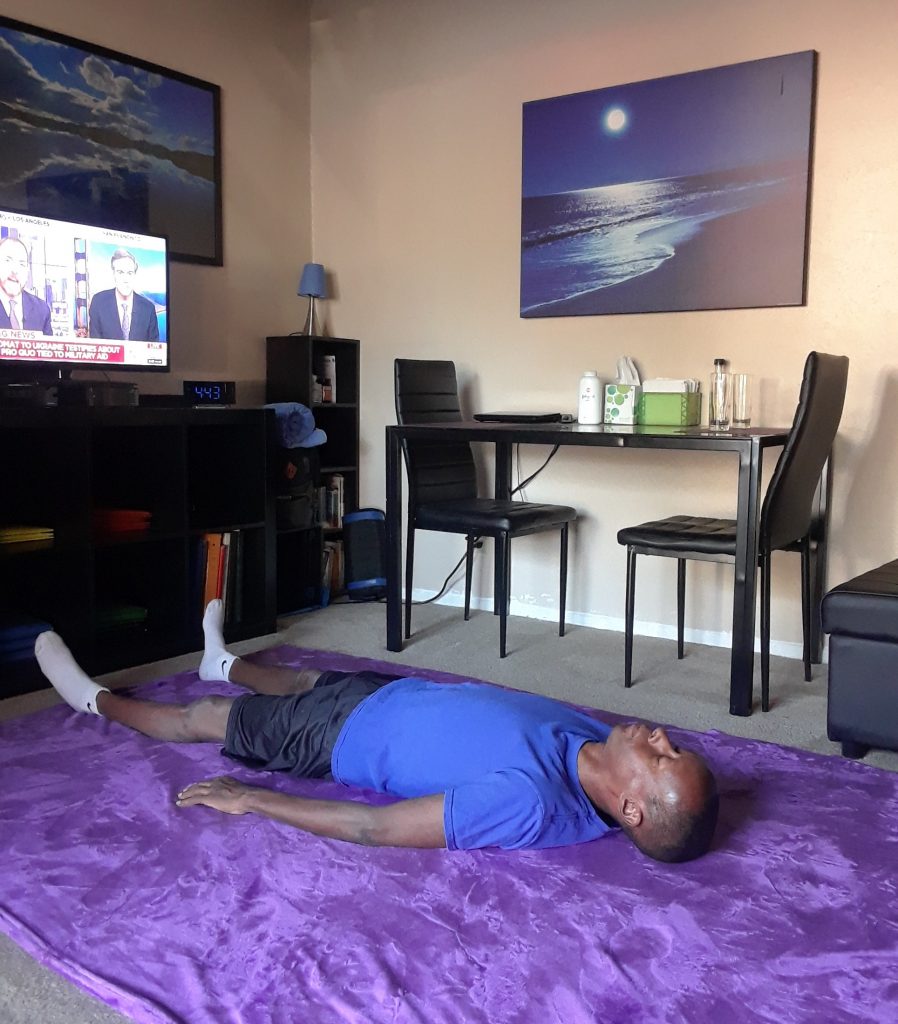
Attended
a lecture on campus October
31
at the Univ Of Texas Aging & Longevity Center.
They brought in
a guest researcher from a prominent dementia clinic in San
Antonio.
She presented her data from thousands of dementia
patients across a couple decades. Showed that long term chronic
stress, via its impact on brain immune function, is the major
mechanism of brain cell death across most forms of dementia including
Alzheimer’s.
As importantly, she demonstraed that the long since identified groups in our country that have the highest long term stress levels have the highest occurence of dementia…..women, blacks, American Indians, etc.
Haven’t been to a lecture on campus in a few months.
Love this subject.
Wrote my first info article on the impact of stress and stress hormone [cortisol] on immune function and downside to training adaptations back in the early 1990’s.
Back in the day, mind-body medicine stuff used to just be applied to mechanisms of causation of heart disease and cancer.
Thanks to researchers like yesterday’s lecturer…..we now know it applies everywhere.

Effects of sunset meditation.
One of my favorite spots. At “townlake”, also known as the Colorado River that bisects downtown Austin.
telomeres…….
“Shortened telomeres, and especially shortened immune cell telomeres, are associated with ill health and mortality.”
“The enzyme telomerase, through its influence on telomere length, is associated with health and mortality.”
.
“The potential of telomerase to influence telomere length has resulted in initial investigations of possible psychological, dietary, and exercise interventions that may influence telomerase activity and slow telomere shortening or even lengthen telomeres to promote health.”
“Telomerase enzyme activity influences telomere length by facilitating the addition of DNA sequences onto telomeres during cell division.”
.
“Four pioneering randomized control trials, including a total of 190 participants, provided information on the effect of mindfulness meditation on telomerase.”
“….mindfulness meditation leads to increased telomerase activity in peripheral blood mononuclear cells. These results suggest the need for further large-scale trials investigating optimal implementation of mindfulness meditation to facilitate telomerase functioning.”
.
N.S. Schutte, et al
Meta-Analytic Review of the Effects of Mindfulness Meditation on Telomerase Activity
Psychoneuroendocrinology…..Volume 39..January 2014
.
.
the impact of “green space” in your city on your rate of aging………
“Telomere length……..can be regarded as a marker of biological ageing.”
“….study of the health status of 976 men aged 65 years and over from various regions in Hong Kong, we measured telomere length and examined its variation…..”
.
“…compare four densely populated regions in the old part of Kowloon with a region built from reclaimed land in the New Territories (Shatin), where many buildings were built on either side of a river and next to the Tolo Harbour, with many parks and markets and a transport terminus situated in the housing complexes.”
.
“Telomeres in participants living in older regions in Kowloon were shorter than in those living in Shatin. The results show that the presence of green spaces could have health benefits in terms of biological ageing, which is mediated by a mechanism other than age, lifestyle, or socioeconomic status. We therefore agree that the psychological benefit arising from a restorative environment could be a real one.”
.
J.Woo, et al
Green Space, Psychological Restoration, and Telomere Length
The Lancet….Volume 373 #9660…..January 24, 2009….page 299 – 300
.
.
brain’s immune system cells impact brain stem cells……
“In the adult mammalian brain, neurogenesis from neural stem/precursor cell occurs within two regions, the subgranular zone in the dentate gyrus and the subventricular zone lining the lateral ventricles.”
The function of neural stem cell is enhanced by external stimuli, such as injury and inflammation. Microglia, as the main immune modulating cells, play important roles in the central nervous system.”
“Recently, select discoveries reported that microglia might influence the proliferation, differentiation and survival of neural precursor cells. Other studies revealed that neural precursor cells might reversibly regulate the function of microglia.”
.
P. Su, et al
The interaction between microglia and neural stem/precursor cellsReview Article
Brain Research Bulletin…..Volume 109….October 2014….pages 32 – 38

Our changing health care system.
Here are –your– new doctors. There are many.
Several are specialists. Meet with them regularly.
They will help you add decades of youthful living to your life.
Here are their names…..
Dr. Walking
Dr. Sleep
Dr. Sunset-watching
Dr. Down-Time
Dr. Nutrition
Dr. Laughter-StandupComedy
Dr. Strength training
Dr. Relaxation
Dr. Sunlight-Exposure
Dr. Yoga
Dr. Meditation
Dr. Jogging
Dr. Nutrient-Based-Medicine
Dr. Mind-Body Medicine
“Better health care will depend, not on some new therapeutic standard, but on the level of willingness and competence to engage in self care.”
[Dr. I. Illich….1978]

TheETG Position Statement…..Changes In U.S. Health Care
Doctors of Traditional Medicine. In spite of having access to an endless supply of guaranteed customers, they contributed to the creation of the 3rd party payer system, the medical insurance industry….thus allowing doctors to price themselves out of their own market of guaranteed customers. The 3rd party payers then seized control over the family business and proceeded to run it into the ground.
Lesson learned = Bad business is bad for business. Bad businesses cannot remain in business for indefinite periods of time. Eventually the poop hits the fan and the wheels come off. People in the field of Traditional Medicine who would like to avoid going down with the ship should consider changing their business model.
— flat fees customers can pay……Set flat fees for your services that the customer can afford and pay —-out-of-pocket—- at the end of the visit. This may require you to learn a more research based approach to treating patients and a practice less dependent on what you were taught at medical school.. At some point people are gonna want health care, not health insurance.
— competent self-care…….By the increase in costs, the insurance and pharmaceutical industries are making sure that many of your customers will be seeking alternatives to going to see you for your tradition based rather than research based “treatments”. There are an ever growing number of people and businesses outside your profession aggressively providing educational services that create a in-expensive competent self-care option to people that might otherwise be –your– customers. It would be wise to be proactive and get in on those services and design a revenue generating way of doing so.
— incompetence avoidance……..Faulty assumptions are the mother of all screw ups. A major contributor to the practice of arrogance and incompetence rather than health care after you graduate from medical school, nursing school, or P.T. school, is the faulty assumption that you were taught a standard of care based on science and research rather than tradition and hand-me-down habits, and approaches to care. It would be wise to abandon that belief system. Many people are leaving you behind in the knowledge area. It would be wise to behave as though such is the case. No business can survive competitively without R & D
[research and development]
. Keeping up with research and contributing to your own development should be viewed as the end all and be all of your professional existence.
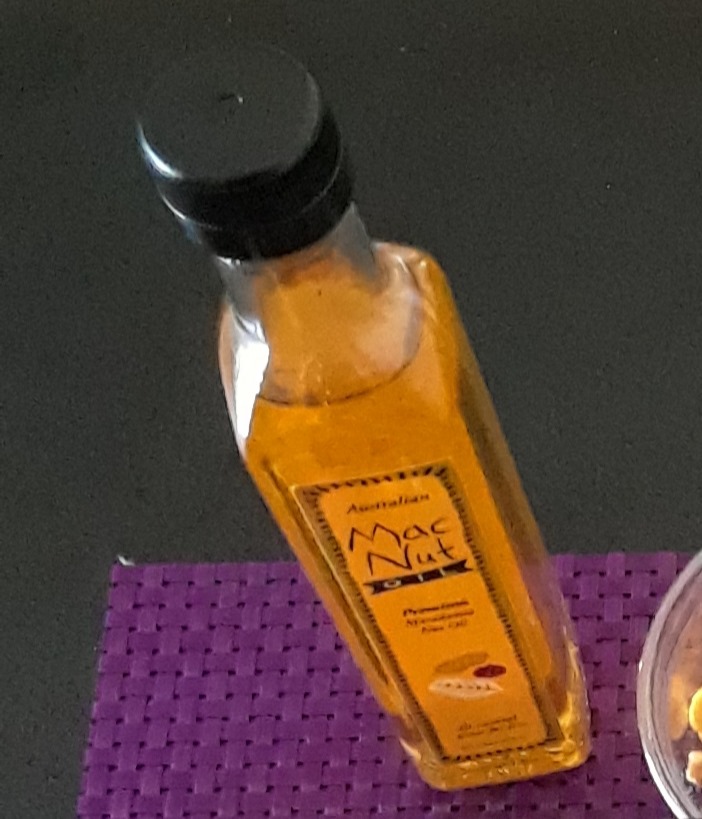
My interest in this subject doesn’t have much to do with Vitiligo, some mild form of which I had as a kid. My main interest is in the potential for mac nut oil to re-start melanin production in hair folicles…..also known as reversing grey hair.
This study demonstrated success on skin melanin production. Need human studies on hair folicle melanin production. Already have studies on mac nut oil induced increase in hair production.
.
“Fatty acids have shown to regulate melanogenesis…..”
“We investigated the in vitro melanogenic activity of subfractions enriched in fatty acids obtained from the oil of Macadamia integrifolia.”
.
“…..a randomized, placebo-controlled trial was carried out to evaluate whether a pharmaceutical formulation containing the macadamia oil was capable of re-establishing pigmentation in patients with vitiligo.”
.
“The formulation caused an improvement in the patients’ depigmented patches.”
.
“In conclusion, these findings indicate that macadamia oil could be used as an active compound of the pharmaceutical formulation for vitiligo treatment.”
.
C.H.Okuma, et al
In Vitro Melanogenic Activity of Macadamia integrifolia Oil and Clinical Pilot Study of a Pharmaceutical Formulation in Patients with Vitiligo
Latin American Journal Of Pharmacy — Volume 30 #7 — September 2011 — page 1336
“Vascular contributions to cognitive impairment are increasingly
recognized as shown by neuropathological, neuroimaging, and
cerebrospinal fluid biomarker studies.”
“Moreover, small vessel
disease of the brain has been estimated to contribute to approximately
50% of all dementias worldwide, including those caused by Alzheimer’s
disease”.
“Vascular changes in Alzheimer’s disease have been typically attributed to the vasoactive and/or vasculotoxic effects of amyloid-β, and more recently tau.”
“….studies suggest that amyloid-β and tau lead to blood vessel
abnormalities and blood–brain barrier breakdown…..neurovascular
dysfunction and blood–brain barrier breakdown develop early in
Alzheimer’s disease…”
.
“To address this question, we studied
brain capillary damage using a novel cerebrospinal fluid biomarker of
blood–brain barrier-associated capillary mural cell pericyte, soluble
platelet-derived growth factor receptor-β, and regional blood–brain
barrier permeability using dynamic contrast-enhanced magnetic resonance
imaging.”
.
“Our data show that individuals with early cognitive
dysfunction develop brain capillary damage and blood–brain barrier
breakdown in the hippocampus irrespective of Alzheimer’s amyloid-β
and/or tau biomarker changes, suggesting that blood–brain barrier
breakdown is an early biomarker of human cognitive dysfunction
independent of amyloid-β and tau.”
.
D.A.Nation, et al
Blood–brain barrier breakdown is an early biomarker of human cognitive dysfunction
Nature Medicine — Volume 25 #2 — February 2019 — page 270
Long term repetitive episodes of anxiety and depression.
The area of the brain = the amygdala.
The pathway taken = PTSD to anxiety to depression-bipolar.
40 million Americans.
One or more drama-and-trauma life events….[bullied, war fighting,
child abuse, car wreck, domestic violence, rape, getting hit by a
car/bus/truck, etc] result in effects on brain cells, just as being hit
on the head does in a traumatic brain injury event. Some cells in the
amygdala get over activated for a long period of time, the pathway by which PTSD goes towards repetitive episodes of anxiety and depression.
Long term over-activation of cells in the amygdala results in a very
high burn rate of nutrients essential for their normal functioning. With
that comes long term under-supply. Some of those cells eventually
become dysfunctioning cells….problems with production or utilization
of dopamine, mono-amine oxidase, serotonin, etc.
This screws with
your fear based thoughts, causing anxiety attacks, negative thoughts and
memories that feed depression. Our amygdala’s job is to protect us. It
generates fear based stuff to steer us away from doing things that might
cause harm. It also houses fear based memories. When the functioning of
some of those cells goes awry, problems result.
Many people can address the burn rate of the essential nutrients by increasing supply…..essential fats [a.k.a. fish oil], B-vitamins, probiotics, anti-oxidants [glutatione, selenium, resveratrol, E vitamins, vit C, carotenes]. If you’re willing to spend some money on a high grade, liquid fish oil and take about 3 grams per day with food for at least 3 months, you’ll tend to see fewer anxiety attacks as well as less depression. It ain’t cheap. “Nordic Naturals” is a relatively high grade brand. Quality matters, dosage matters….there’s hard data available on all of the above. Beware of folks that contradict that statement.
Many people can reduce the over-activation of amygdala cells, the brain cell overwork–overwhelm situation by pursuing Cognitive Behavior Therapy, also known as CBT. This can be done in person, over the phone, or via online consultations. Beware of psychologists and psychiatrists that claim to practice CBT but don’t. They’re like a medical doctor that wants to see athletes so they call themselves a “sports medicine” doctor. You’ll keep returning to them because you like them. The reason you have to keep returning to them is because they don’t practice CBT.
Beware of the doctor, psychiatrist, or psychologist that engages in “cover your ass” mental health. Also known as CYA medicine. You walk into their office, say something about having suicidal thoughts, they immediately cover their ass by demanding that you start psyc meds. Beware of the medical doctor that blindly writes you prescriptions for psyc meds forever. The doctor is keeping you in an endless loop of supposed symptom management and non-verbally saying to you that there is no other approach that will work.
Tough times never last.
Tough people never do either.
The
ability to be non-reactive to negative life events, to aggressively
adapt to change quickly, and to be solution oriented as the main
mechanism of escape from stress and turmoil….are major life skills to
be learned. They tend to get omitted from the grade school, college, and
graduate school curriculum.
At everyone’s peril.
We
get inserted into a society where ya just have to hope things don’t
head south too often and that everything will turnout Ok. Not a lotta
guidance on how best to approach adversity. For all of us the drama and
trauma of negative life events would be much easier to live through,
live with, and/or resolve if the teaching and development of life skills
were a bit more of a priority in our society. Intentionally developing
some degree of mastery in this area advances the ball in multiple,
permanent, life altering ways.
.
TheETG repair of brain cell overwork, overwhelm, “mental illness” —–
https://theetgtrackclub.com/documents/TheETGbrain.pdf
.
TheETG human psychology —–
https://theetgtrackclub.com/documents/TheETGpsychology.pdf
The quackery of traditional medicine…..[U.S. Justice Department, December 21 2018]”Of the $2.8 billion in settlements and judgments recovered by the Department of Justice this past fiscal year, $2.5 billion involved the health care industry, including drug and medical device manufacturers, managed care providers, hospitals, pharmacies, hospice organizations, laboratories, and physicians.”
“This is the ninth consecutive year that the Department’s civil health care fraud settlements and judgments have exceeded $2 billion.”
“The largest recoveries involving the health care industry this past year came from the drug and medical device industry. In one matter, AmerisourceBergen Corporation and certain of its subsidiaries paid $625 million to resolve allegations that they sought to circumvent important safeguards intended to preserve the integrity of the nation’s drug supply and profit from the repackaging of certain drugs supplied to cancer-stricken patients.”
“….the medical device manufacturer Alere paid $33.2 million to resolve allegations that it sold a materially unreliable testing device that was intended to aid clinicians in the diagnosis of drug overdoses, acute coronary syndrome and other serious conditions.”
“The Department has investigated efforts by drug manufacturers to facilitate increases in drug prices by funding the co-payments of Medicare patients.”
“…..pharmaceutical company United Therapeutics Corporation, a seller of pulmonary arterial hypertension (PAH) drugs, paid $210 million to resolve allegations that it used a foundation as an illegal conduit to pay the co-pay obligations of thousands of Medicare patients taking its PAH drugs.”
“…..Pfizer paid approximately $23.85 million to resolve claims that it used a foundation as a conduit to pay the co-pays of Medicare patients taking Pfizer drugs. The government alleged that Pfizer raised the price of one of those drugs by 40 percent in just three months.”
ETG info: quackery of American traditional medicine —– https://theetgtrackclub.com/documents/TheETGTradmedquackery.pdf

Spring break is upon us. Folks heading to the beaches.
Skin, underarm, scalp, hair…..absorb the chemicals contained in whatever you put on them.
Lotions, antiperspirants, shampoos, conditioners, sun screens.
Better head to the healthnut store for those.
If you don’t want it in your blood stream, don’t put it on your skin, underarm, on your scalp, or in your hair.
If you insist on wearing sunscreens consider using Australian MacNut oil instead of the stuff that’s killing off cells in your liver that has to filter the chemicals out of your blood stream.
The stuff that gets into your blood stream has to go somewhere. Go 30 to 40 years of presenting that stuff to your body and something is gonna go wrong.
.
“….inadequate sunlight or vitamin D insufficiency, some scientists worry that the emphasis on preventing skin cancers tends to obscure the much larger mortality burden posed by more life-threatening cancers such as lung, colon, and breast cancers. Many studies have shown that cancer-related death rates decline as one moves toward the lower latitudes…”
.
“….excessive UVR exposure accounts for only 0.1% of the total global burden of disease in disability-adjusted life years….”
.
“In contrast, the same WHO report noted that a markedly larger annual disease burden of 3.3 billion disability-adjusted life years worldwide might result from very low levels of UVR exposure. This burden subsumes major disorders of the musculoskeletal system and possibly an increased risk of various autoimmune diseases and life-threatening cancers.”
.
“….most cases of vitamin D deficiency are due to lack of outdoor sun exposure. At least 1,000 different genes governing virtually every tissue in the body are now thought to be regulated by 1,25-dihydroxyvitamin D3 (1,25[OH]D), the active form of the vitamin…..”
.
“Whereas skin cancer is associated with too much UVR exposure, other cancers could result from too little. Living at higher latitudes increases the risk of dying from Hodgkin lymphoma, as well as breast, ovarian, colon, pancreatic, prostate, and other cancers, as compared with living at lower latitudes.”
.
M.N.Mead
Benefits of Sunlight: A Bright Spot for Human Health
Environmental Health Perspective — Volume 116 #4 — April 2008 — page A160
.
.
“Sunscreens absorb UVB and it is a major concern that sunscreen use may lead to vitamin D deficiency.”
“When the amount of sunscreen and SPF advised by the World Health Organization is used, vitamin D production may be abolished. Re-evaluation of sun protection strategies could be warranted.”
.
A. Faurschou, et al
The relation between sunscreen layer thickness and vitamin D production after UVB exposure – a randomised clinical trial
British Journal Of Dermatology…..April 18, 2012
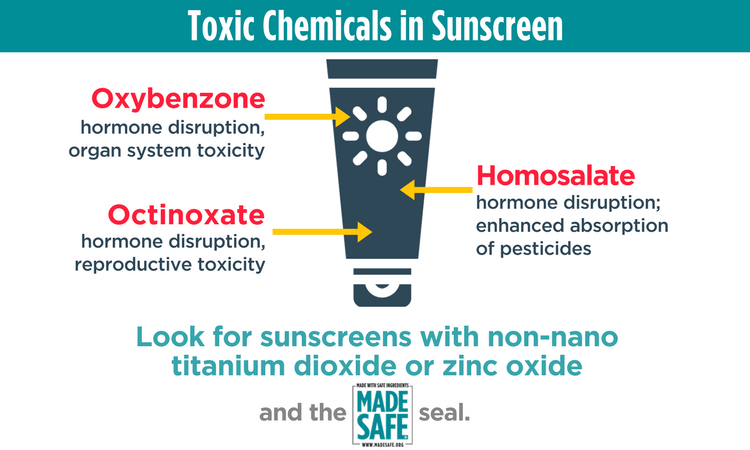
“…..researchers at two major
laboratories found an average of 200 industrial chemicals and
pollutants in umbilical cord blood from 10 babies born in August and
September of 2004 in U.S. hospitals.”
.
“The
umbilical cord blood of these 10 children, collected by Red Cross after
the cord was cut, harbored pesticides, consumer product ingredients,
and wastes from burning coal, gasoline, and garbage.”
.
“Tests revealed a total of 287 chemicals in the group.”
.
Body Burden: The Pollution in Newborns
Industrial chemicals, pollutants and pesticides in umbilical cord blood
Environmental Working Group, July 14, 2005
.
.
“Aluminum chlorohydrate, the active ingredient in many antiperspirants, was labeled with the radioisotope 26Al.”
“84 mg of the labeled Aluminium chlorohydrate was then applied to a single underarm of two adult subjects with blood and urine samples being collected over 7 weeks.”
“….aluminium was absorbed through the skin.”
R. Flarend, et al
A preliminary study of the dermal absorption of aluminium from antiperspirants using aluminium-26
Food & Chemical Toxicology…..Volume 39 #2….February 2001….page 163 – 168
.
.
“Aluminum
is the most abundant neurotoxic metal on earth, widely bioavailable to
humans and repeatedly shown to accumulate in Alzheimer
Disease-susceptible neuronal foci. In spite of this, the role of
Aluminum in Alzheimer Disease has been heavily disputed based on the
following claims: 1) bioavailable Aluminum cannot enter the brain in
sufficient amounts to cause damage, 2) excess Aluminum is efficiently
excreted from the body, and 3) Aluminum accumulation in neurons is a
consequence rather than a cause of neuronal loss.”
“Research, however, reveals that: 1) very small amounts of Aluminum are needed to produce neurotoxicity and this criterion is satisfied through dietary Aluminum intake, 2) Aluminum sequesters different transport mechanisms to actively traverse brain barriers, 3) incremental acquisition of small amounts of Aluminum over a lifetime favors its selective accumulation in brain tissues, and 4) since 1911, experimental evidence has repeatedly demonstrated that chronic Aluminum intoxication reproduces neuropathological hallmarks of Alzheimer Disease. “
L. Tomljenovic
Aluminum and Alzheimer’s disease: after a century of controversy, is there a plausible link
Journal Of Alzheimer’s Disease…..Volume 23 #4…2011….page 567 – 598
–
.
Skin, underarm, scalp, hair…..absorb the chemicals contained in whatever you put on them.
Lotions, antiperspirants, shampoos, conditioners, sun screens. Better head to the healthnut store for those.
If you don’t want it in your blood stream, don’t put it on your skin, underarm, on your scalp, or in your hair.
If
you insist on wearing sunscreens consider using Australian MacNut oil
instead of the stuff that’s killing off cells in your liver that has to
filter the chemicals out of your blood stream.
The
stuff that gets into your blood stream has to go somewhere. Go 30 to 40
years of presenting that stuff to your body and something is gonna go
wrong.
.
Marcia Angell, Harvard Medical
former Editor In Chief of the New England Journal Of Medicine
[podcast interview “Angell On Big Pharma by Russ Roberts at econtalk.org, November 26, 2012]
“And one of the worst forms of bias is that the drug companies will not permit researchers to publish negative results. If the drug doesn’t look good, it’s not published. It’s buried. Now the really shocking thing about that is that all of the clinical trials that are done, in order to get approval for a new drug to come on the market, must by law be submitted to the FDA. So the FDA receives all of the data, from all of the clinical trials. And a company will do many, many trials in order to get its drug on the market. And then the FDA will look through all of these trials, and if two are positive–that is, they show the drug is reasonably safe and effective–then they’ll usually approve that drug; and the drug goes on the market.”
“But there may be, for these two studies, there may be an additional 10 studies or 15 studies that are negative. The drug doesn’t look good, or it doesn’t look as safe as you would hope. But they will not release the negative trials. The FDA will not release the negative trials–because they say it’s proprietary. They only release the trials that the company agrees to release. In lots of cases the negative results are hidden; the positive results are published; and the negative results are hidden within the agency that is supposed to be insuring the safety and effectiveness of drugs. So, that’s pretty shocking.”

[November 21, 2018, by Caroline Cornell, Class Action . com]
“…..another blood pressure drug recall was announced, the third since July.”
“Losartan is the latest drug to be recalled for possible nitrosamine contamination, a class of chemicals that may cause cancer. It follows the recalls of irbesartan earlier in November, and valsartan in July.”
“In 2012, experts estimated that 80% of ingredients in U.S. pharmaceuticals are made abroad, and 40% of finished pharmaceutical drugs are made outside the U.S. It’s likely that these numbers are higher now as 80% of the active ingredients in U.S. medicine comes from China and India alone.”
.
“As the number of FDA inspections increases, so do the number of warning letters to drug manufacturers. In 2016, 44 warning letters were sent to Chinese and Indian manufacturers, and in 2017, 61 warning notices were issued.”
.
“In the case of Zhejiang Huahai Pharmaceuticals, which makes losartan and valsartan, an FDA inspection didn’t do much good. In May 2017 the company received a warning letter from the FDA that their drugs did not meet U.S. quality standards after a problematic inspection.
A similar incident happened at Sichuan Friendly Pharmaceutical which received a warning letter from the FDA in June 2018 for their failure to meet safety standards. Two months later, Westminster Pharmaceuticals recalled their thyroid drugs Levothyroxine and Liothyronine, citing quality issues with the ingredients they used from Sichuan Friendly Pharmaceutical.”
.
“Inspections don’t guarantee quality medicines,” Rosemary Gibson, author of China Rx and Senior Advisor at The Hastings Center, told us.”
.
“In 2013, Ranbaxy Laboratories in India, a large supplier of generic drugs used in the U.S., agreed to pay $500 million in criminal and civil penalties after an eight-year investigation uncovered falsified records and failure to meet multiple drug safety standards. In 2016, Chinese-based Xiamen Origin Biotech was also caught lying to FDA inspectors when they falsely reported that they had stopped relabeling drugs in January 2015, when in fact they were still distributing them one year later. “
——————————————–
.
[Dr. Donald Light, 2013…..Risky Drugs: Why The FDA Cannot Be Trusted….University of Medicine and Dentistry of New Jersey….Harvard University Center For Ethics]
“Every week, about 53,000 excess hospitalizations and about 2400 excess deaths occur in the United States among people taking properly prescribed drugs to be healthier. One in every five drugs approved ends up causing serious harm…..The further corruption of medical knowledge through company-funded teams that craft the published literature to overstate benefits and understate harms, unmonitored by the FDA, leaves good physicians with corrupted knowledge. Patients are the innocent victims.”
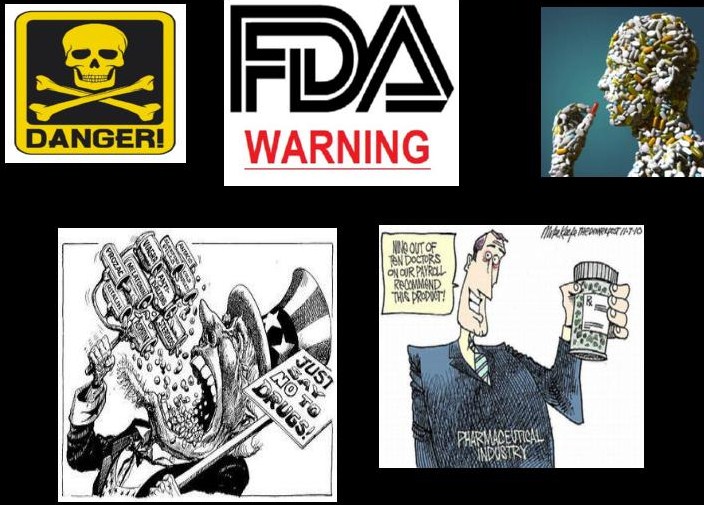
Journal Of The American Medical Association……..”….unnecessary diagnostic imaging remains a substantial problem in the United States.””The United States occupies top usage ranks, with population rates of annual computed tomography (CT) scans (245 per 1000 people) and magnetic resonance imaging (MRI) scans (118 per 1000 people) that are 5 and 3 times higher than those of Finland, respectively.”.
https://jamanetwork.com/journals/jama/article-abstract/2720430

“Spending is reported in 2016 dollars.”
“From 1997 through 2016,
spending on medical marketing of drugs, disease awareness campaigns,
health services, and laboratory testing increased from $17.7 to $29.9
billion.”
“The most rapid increase was in direct-to-consumer advertising, which increased from $2.1 billion of total spending in 1997 to $9.6 billion of total spending in 2016.”
.
“….prescription drug advertising increased from $1.3 billion (79 000 ads) to $6 billion (4.6 million ads [including 663 000 TV commercials]), with a shift toward advertising high-cost biologics and cancer immunotherapies. Pharmaceutical companies increased marketing about diseases treated by their drugs with increases in disease awareness campaigns from 44 to 401 and in spending from $177 million to $430 million.”
.
“Marketing to health care professionals by pharmaceutical companies accounted for most promotional spending and increased from $15.6 billion to $20.3 billion, including $5.6 billion for prescriber detailing, $13.5 billion for free samples, $979 million for direct physician payments (eg, speaking fees, meals) related to specific drugs, and $59 million for disease education.”
.
“Since 1997, 103 financial settlements between drug companies and federal and state governments resulted in more than $11 billion in fines for off-label or deceptive marketing practices.”
.
“Pharmaceutical marketing to health professionals accounted for most spending and remains high even with new policies to limit industry influence. Despite the increase in marketing over 20 years, regulatory oversight remains limited.”
.
L.M.Schwartz, S.Woloshin
Medical Marketing in the United States, 1997-2016
Journal Of The American Medical Association — Volume 321 — January 1/8, 2019 — page 80
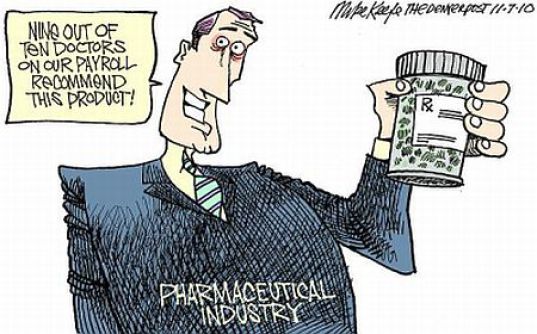
“The advent of consumer virtual reality provides a pressing need for
interventions that combat sickness in simulated environments
(cybersickness).”
“This research builds on multiple theories of
cybersickness etiology to develop a predictive model that distinguishes
between individuals who are/are not likely to experience cybersickness.”
“In the future this approach can be adapted to provide virtual reality
users with curated content recommendations based on more efficient measurements of sensorimotor processing.”
.
S.Weech, et al
Estimating the sensorimotor components of cybersickness
Journal Of Neurophysiology — Volume 120 #5 — November 2018 — page 2201
Nutrition medicine = food and/or supplements as medicine.
$3……The big 4, chopped, put in a bowl together.
Eaten as a meal by itself.
Fat source added to aid absorption of fat soluble nutrients.
$3 to consume the 4 that collectively are a stimulus for gene transcription of about 200 or more genes, many of which code for production of substances that behave as anti-oxidants in a country where oxidants are the primary underlying mechanism of the big ticket item chronic diseases [heart disease, cancer, brain degeneration].
.
$3 to consume the 4 that collectively provide the nutrients that lead to repair of DNA damage, the underlying mechanism of aging.
.
$3 to consume the 4 that collectively provide the nutrients that aide immune system functioning, the underlying mechanism of long term disease prevention in heart disease and cancer.
.
I’m one guy living alone, so that’s $3 to serve 1 meal to 1 person at least 2 times. Or to serve 1 meal to at least 2 people on 1 occasion.
.
About $3 per American per week can aide long term disease prevention and/or reversal.
.
How ya live’n.
.
TheETG nutrition medicine —–
https://theetgtrackclub.com/documents/TheETGnutrimedicine.pdf.
mechanisms of aging
—– https://theetgtrackclub.com/documents/TheETGmechanismsaging.pdf.
TheETG cancer repair
—–https://theetgtrackclub.com/documents/TheETGcancerkill.pdf.
TheETG heart disease repair —–
https://theetgtrackclub.com/documents/TheETGheartfix.pdf.
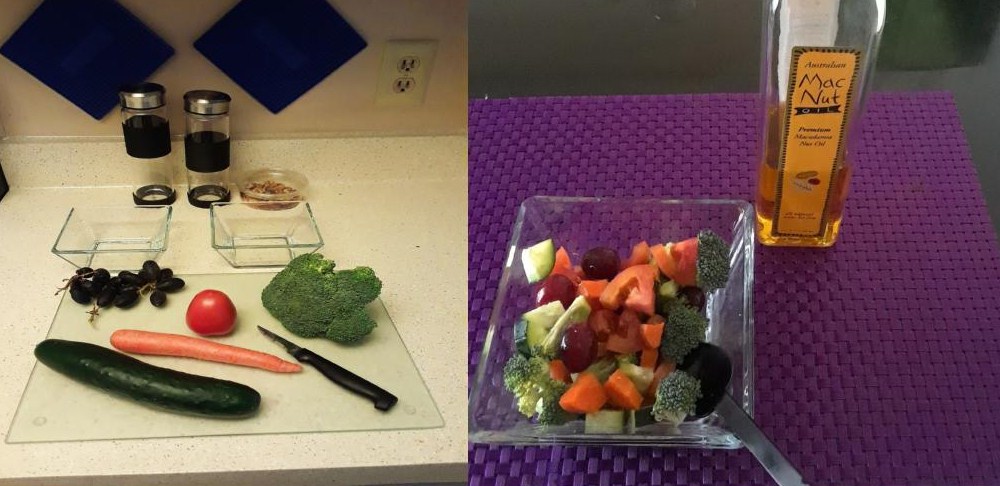
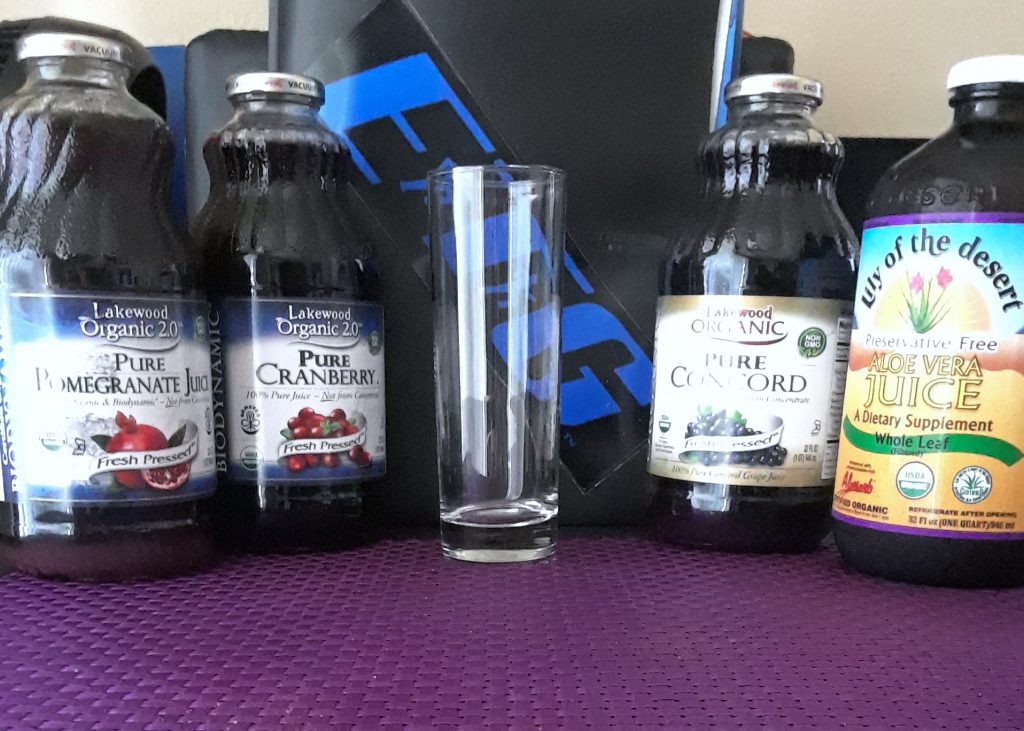
Sarcopenia = loss of muscle mass
Sarcopenia and low protein
intake are the leading combination of causes of decline and death in the
elderly. The beginning of the end.
Strength train –throughout– your life!!!
“……muscle mass declines…….(termed sarcopenia).”
“In the United States, $18.5 billion of total direct health care costs in 2000 were attributable to sarcopenia…..”
————————–
“Frailty is what causes premature death. We don’t walk, we don’t carry our own suitcases. When we don’t exercise we get frail.”
[Dr. Mehmet Oz…Professor of Surgery, Columbia University]
————————–
“…..much of the decline in functional capacity with advancing age in
physically inactive people is due to progressive disuse atrophy rather
than the aging process per se.”
Sport Science Exchange Round Table…Gatorade Sport Science Institute…..Winter 1992
————————–
“In the knee extensors which are important for ambulation and
weight-bearing function, a 30% decrease in whole muscle size occurs
between the ages of 50 and 80 years. This whole muscle atrophy
results….declines substantially between the sixth and eighth decades.”
“Resistance training has shown the most promise among interventions aimed to decrease the effects of sarcopenia….”
D.J. Kosek, et al
Efficacy of 3 days/wk resistance training on myofiber hypertrophy and myogenic mechanisms in young vs. older adults
Journal Of Applied Physiology…….Volume 101 #2, August 2006…….page 531 – 544
————————–
“Since not only maximal strength but the ability of the leg extensor
muscles to develop force rapidly are both important performance
characteristics contributing to several tasks of daily life such as
climbing stairs, walking, or even prevention of falls and/or tips…”.
“In order to induce increases in explosive strength and power
capacities, heavy resistance training also in older people should be
combined with power type of strength training….”
K.Hakkinen, et al
Effects Of Heavy Resistance/Power Training On Maximal Strength, Muscle
Morphology, And Hormonal Response Patterns In 60 -75 Year Old Men &
Women
Canadian Journal Of Applied Physiology….Volume 27 #3….June 2002…page 213
————————–
“…..normal aging can be referred to as a slowly progressive
neurogenic process, and the degeneration of the nervous system is
considered as a major factor underlying the reductions in muscle mass
and strength that occur with advancing age.”
Jan Lexell
Evidence for Nervous System Degeneration with Advancing Age
The Journal of Nutrition…..Volume 127 #5….May 1997…..page 1011S-1013S
————————–
“The way you think, the way you behave, the way you eat,
can influence your life by 30 to 50 years.”
[Dr. Deepak Chopra]
.
TheETG exercise program —–
https://theetgtrackclub.com/documents/TheETGexerciseprogram.pdf

Study number 10 million and 1 on the importance of the hormone vitamin D in connection with long term human health…….
“Vitamin D level had a significant inverse correlation with length of hospital stay.”
“In vitamin D-deficient and -insufficient groups, there was a significant difference between survivors and nonsurvivors as regards vitamin D levels and an inverse correlation between vitamin D level and outcome of hospital admission.”
.
“Vitamin D deficiency and insufficiency are significantly associated with a longer hospital stay and a poor outcome of hospital admission in comparison to control.”
.
R.M.Botros, et al
Vitamin D Status in Hospitalized Chronically Ill Patients
Journal The American College Of Nutrition — Volume 37 #7 — 2018 — page 578
https://www.amazon.com/gp/product/B01DUYHRIU/ref=ox_sc_saved_title_8?smid=A2L902XSIQ0RGW&psc=1
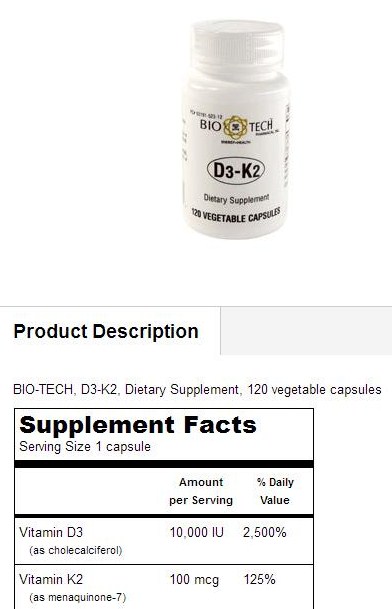
The quackery of -traditional- Dentistry.
Drilling and filling, wisdom tooth removal, flossing.
What Your Dentist Won’t Tell You………Bacteria produce an acid that can wear away the enamel [outer surface] of your teeth, gradually working their way inside, and digging out a hole [cavity].
Teeth are basically bone. As we all know, bones have the ability to repair themselves when damaged.
Thus, the idea of paying money to a dentist, to drill into a tooth, and insert a “filling” into a cavity, should seem somewhat counter to logic and reason. In short, drilling, filling, and capping, should be unnecessary. Teeth are comprised of minerals, such as calcium, phosphate, and fluoride. The acids produced by bacteria can ‘demineralize” the inner portion of a tooth, resulting in a hole, called a “cavity”.
.
There are thus, 2 mechanisms to address to heal a cavity
1— neutralize the acid produced by the bacteria, and/or kill the bacteria
2— provide the minerals necessary for the tooth to rebuild itself by filling-in the cavity [calcium, phosphate, and fluoride]
.
The 2 major purposes of brushing your teeth are……
1— remove bacteria in the form of “plaque” from your teeth
2— remove food particles from your teeth and mouth, since bacteria feed on the carbohydrates
.
“…..the radical surgical approach prevailing in the 1960s has generally continued despite overwhelming research outputs in caries prevention and treatment in the succeeding half century .”
W.Evans, et al
The Caries Management System: are preventive effects sustained postclinical trial?
Community Dentistry And Oral Epidemiology — Volume 44 — 2016 — page 188
.
“It’s unnecessary for patients to have fillings because they’re not required in many cases of dental decay….”
“This research signals the need for a major shift in the way tooth decay is managed by dentists.”
[Wendell Evans of the University of Sydney]
.
“….the gap between what is occurring in clinical practice and what published research findings suggest….”
“Dentists reported a medium-range concordance between practice and published evidence.”
“Efforts to bring research findings into routine practice are needed….”
W.E. Norton, et al
Concordance between clinical practice and published evidence: Findings from The National Dental Practice-Based Research Network
Journal Of The American Dental Association — Volume 145 #1 — January 2014 — page 22 – 31
.
“……majority of available studies fail to demonstrate that flossing is generally effective in plaque removal…..2015 review cites “inconsistent/weak evidence” for flossing and a “lack of efficacy…….a dental magazine stated that any benefit would be so minute it might not be noticed by users. ”
[CBSNews, A big problem with flossing — Auguste 2, 2016]
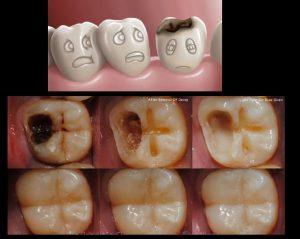

Environmental toxins……skin, scalp, hair, all absorb the chemicals contained in whatever you put on them.
If you don’t want it in your blood stream, don’t put it on your skin, on your scalp, or in your hair. If you’re still buying your lotions, shampoos, conditioners, sun screens at a regular grocery store or drug store it may be time to head to Whole Foods Market or other health nut type of store for those.
If you insist on wearing sunscreens consider using Australian MacNut oil instead of the stuff that’s killing off cells in your liver that get overwhelmed when they filter the chemicals out of your blood stream.
.
.
“Aluminum chlorohydrate, the active ingredient in many antiperspirants, was labeled with the radioisotope 26Al.”
“84 mg of the labeled Aluminium chlorohydrate was then applied to a single underarm of two adult subjects with blood and urine samples being collected over 7 weeks.”
“….aluminium was absorbed through the skin.”
R. Flarend, et al
A preliminary study of the dermal absorption of aluminium from antiperspirants using aluminium-26
Food & Chemical Toxicology…..Volume 39 #2….February 2001….page 163 – 168
.
“Aluminum is the most abundant neurotoxic metal on earth, widely bioavailable to humans and repeatedly shown to accumulate in Alzheimer Disease-susceptible neuronal foci. In spite of this, the role of Aluminum in Alzheimer Disease has been heavily disputed based on the following claims: 1) bioavailable Aluminum cannot enter the brain in sufficient amounts to cause damage, 2) excess Aluminum is efficiently excreted from the body, and 3) Aluminum accumulation in neurons is a consequence rather than a cause of neuronal loss.”
“Research, however, reveals that: 1) very small amounts of Aluminum are needed to produce neurotoxicity and this criterion is satisfied through dietary Aluminum intake, 2) Aluminum sequesters different transport mechanisms to actively traverse brain barriers, 3) incremental acquisition of small amounts of Aluminum over a lifetime favors its selective accumulation in brain tissues, and 4) since 1911, experimental evidence has repeatedly demonstrated that chronic Aluminum intoxication reproduces neuropathological hallmarks of Alzheimer Disease. ”
L. Tomljenovic
Aluminum and Alzheimer’s disease: after a century of controversy, is there a plausible link
Journal Of Alzheimer’s Disease…..Volume 23 #4…2011….page 567 – 598
————————–
“……antibacterial soap products contain chemical ingredients, such as triclosan and triclocarban, which may carry unnecessary risks given that their benefits are unproven.”
“New data suggest that the risks associated with long-term, daily use of antibacterial soaps may outweigh the benefits,” Rogers says. There are indications that certain ingredients in these soaps may contribute to bacterial resistance to antibiotics, and may have unanticipated hormonal effects….”
[FDA, December 24, 2013]
.
“Consumers may think antibacterial washes are more effective at preventing the spread of germs, but we have no scientific evidence that they are any better than plain soap and water,” said Janet Woodcock, M.D., director of the FDA’s Center for Drug Evaluation and Research. “In fact, some data suggests that antibacterial ingredients may do more harm than good over the long-term.”
[FDA, September 2, 2016]
————————–
Environmental toxins……the info below is consistent with what those of us in exercise physiology have seen in folks exercising. In an exercise physiology or environmental physiology lab, physiologists can put a port catheter into your arm, put you on a treadmill at 25% VO2 max so that your fat cells release free fatty acids from storage. A few minutes in, they’ll start doing blood draws from the catheter.
.
In those blood samples they’ll find elevated levels of free fatty acids. They’ll also find fat soluble chemicals that were stored in your fat cells along with the fatty acids.
Those chemicals are from the soaps, lotions, shampoos, sunscreens, etc. they all get dumped into your blood every time you exercise.
Obviously with 40 to 80 years of near daily to weekly use…..that stuff has to go somewhere. We don’t live in a magical universe where things disappear.
.
Skin, scalp, hair…..absorb the chemicals contained in whatever you put on them.
If you don’t want it in your blood stream, don’t put it on your skin, on your scalp, or in your hair. If you’re still buying your lotions, shampoos, conditioners, sun screens at a regular grocery store or drug store it may be time to head to Whole Foods Market or other health nut type of store for those.
If you insist on wearing sunscreens consider using Australian MacNut oil instead of the stuff that’s killing off cells in your liver that get overwhelmed when they filter the chemicals out of your blood stream.
.
“…..researchers at two major laboratories found an average of 200 industrial chemicals and pollutants in umbilical cord blood from 10 babies born in August and September of 2004 in U.S. hospitals.”
.
“The umbilical cord blood of these 10 children, collected by Red Cross after the cord was cut, harbored pesticides, consumer product ingredients, and wastes from burning coal, gasoline, and garbage.”
“Tests revealed a total of 287 chemicals in the group.”
Body Burden: The Pollution in Newborns
Industrial chemicals, pollutants and pesticides in umbilical cord blood
Environmental Working Group, July 14, 2005

“Infections resistant to medicines will kill more people per year than cancer by 2050, and cost the world $100 trillion annually, according to a U.K. government-backed report…..”
“….drug resistance, which is estimated to have caused around 700,000 deaths globally this year, will cause 10 million by 2050 if further action is not taken.”
[CNBC, December 11, 2014…..Drug resistance deadlier than cancer by 2050……by Catherine Boyle]
“A post-antibiotic era in which common infections and minor injuries can kill is a very real possibility for the 21st century.”
“…..antibiotics in a market that is currently worth more than $40 billion annually for drugs that are starting to fail.
C.Nathan, M.D., et al
Resistance — Problems, Progress, and Prospects
New England Journal Of Medicine…..volume 371 #19…..November 6, 2014….page 1761 – 1763
“….18% of physicians or other providers rejected the recommendations and continued giving their patients the antibiotics…..Patients whose health care professionals didn’t follow those recommendations had a 3.5% readmission rate…But when physicians and other providers did follow the guidance….patients had no readmissions…..”
“Inappropriate antibiotic use most likely occurred in patients receiving ceftriaxone/cefotaxime (62%), vancomycin (11%), and meropenem (5%). The most common diagnoses that triggered a recommendation to change antibiotic use were pneumonia (22%), urinary tract infection (19%), and presumed sepsis (9%).”
A.Slomski
Antibiotics for Children: When Less Is More
Journal Of The American Medical Association…..Volume 312 #20…..November 26, 2014……page 2079 – 2080
“……antibacterial soap products contain chemical ingredients, such as triclosan and triclocarban, which may carry unnecessary risks given that their benefits are unproven.”
“New data suggest that the risks associated with long-term, daily use of antibacterial soaps may outweigh the benefits,” Rogers says. There are indications that certain ingredients in these soaps may contribute to bacterial resistance to antibiotics, and may have unanticipated hormonal effects….”
[FDA, December 24, 2013]
“Consumers may think antibacterial washes are more effective at preventing the spread of germs, but we have no scientific evidence that they are any better than plain soap and water,” said Janet Woodcock, M.D., director of the FDA’s Center for Drug Evaluation and Research. “In fact, some data suggests that antibacterial ingredients may do more harm than good over the long-term.”
[FDA, September 2, 2016]
NBCnews….No more antibacterial soap for you — http://www.nbcnews.com/health/health-news/fda-orders-antibacterials-removed-consumer-soaps-n642036
Cold and flu…..To “catch a cold” or flu a virus must enter your body, typically by -you- putting it near your eyes, nose, or mouth. Someone who has a cold is out and about in public or in your household, sneezes, coughs, or wipes their nose, cold virus gets out of their body onto their hands. They shake hands with you, touch stuff that’s probably touched by 5 to 500 other folks during the time the virus can survive there…..door knobs and handles, stairway and escalator handrails, computer mouse, waterfountain button, ATM buttons, etc, etc. The virus now on your hands, you rub your eyes-nose-mouth without -first- having wiped them [and the virus] off on your clothes and/or without washing your hands.
The virus finds its way into your body, comes under attack by your immune system, and makes a major effort to replicate and proliferate. If it does so successfully, you will…..“catch a cold”, or “get the flu”.
.
The adhesion molecules that viruses and bacteria use to cling to your hands can be overcome by wiping your hands on your clothes.
Thus, the most effective way to prevent yourself from putting the cold and flu into your body…….
—– Program into your brain a deeply ingrained habit to wipe your hands off on your clothes before you use them to rub or touch your eyes―nose–mouth, door handles, stair-rails, etc, etc, etc. If you have the cold or flu, you can prevent transmission by sneezing, coughing into your elbow rather your hand. And you can wipe your hands on your clothes prior to touching stuff or people when out and about in public. 5000IU of vitamin D3 per day may be on par with “get a flu shot” in flu prevention.
.
Avoid group think….We’ve dumbed down this subject into “get a flu shot and wash your hands”.
There isn’t a sink and soap dispenser next to everything you touch and every handshake you engage in. Some dude in the bathroom washes his hands like he’s scrubbing for surgery. On his way out he sneezes into his hand prior to grabbing the door handle to leave. The 10 guys after him grab that handle.
Avoid group think….The Centers For Disease Control [CDC] study, average effectiveness of a flu shot the last decade is only 45% [2008 – 2018], and less than 50% of health care workers at places that don’t offer or require flu shots, get a flu shot. Some work with elderly, toddlers, and/or other low–immune functioning folks.
Avoid group think….That anti-bacteria liquid-gel dispenser in the hallway, yet another thing that pumps and other stuff along the membrane of a virus or bacteria will adjust to over time, further contributing to the “super bug” phenomena. Anti-bacteria cleaning surfaces at home….try a spray bottle, water, baking soda, and salt, with no super-bug producing after-effect.
If preventing death is the objective we should be willing to reach beyond “get a flu shot and wash your hands”.
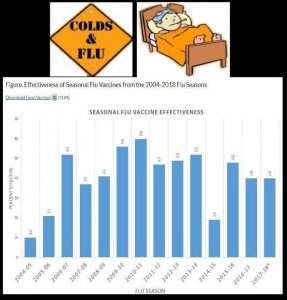
“To our knowledge, no rigorously designed clinical trials have evaluated the relation between vitamin D and physician-diagnosed seasonal influenza.”
“We investigated the effect of vitamin D supplements on the incidence of seasonal influenza A in schoolchildren.”
“From December 2008 through March 2009, we conducted a randomized, double-blind, placebo-controlled trial comparing vitamin D(3) supplements [1200 IU per day] with placebo in schoolchildren. The primary outcome was the incidence of influenza A, diagnosed with influenza antigen testing with a nasopharyngeal swab specimen.”
“Influenza A occurred in 18 of 167 [10.8%] children in the vitamin D(3) group compared with 31 of 167 [18.6%] children in the placebo group. The reduction in influenza A was more prominent in children who had not been taking other vitamin D supplements and who started nursery school after age 3.”
“In children with a previous diagnosis of asthma, asthma attacks as a secondary outcome occurred in 2 children receiving vitamin D(3) compared with 12 children receiving placebo…”
“This study suggests that vitamin D(3) supplementation during the winter may reduce the incidence of influenza A, especially in specific subgroups of schoolchildren.”
M.Urashima, et al
Randomized trial of vitamin D supplementation to prevent seasonal influenza A in schoolchildren.
American Journal Of Clinical Nutrition….Volume 91 #5….May 2010….page 1255 – 1260
.
Program into your brain a deeply ingrained habit to wipe your hands off on your clothes before you use them to rub or touch your eyes―nose–mouth, door handles, stair-rails, etc, etc, etc.
.
TheETG Immune System
https://theetgtrackclub.com/documents/TheETGimmuneboost.pdf
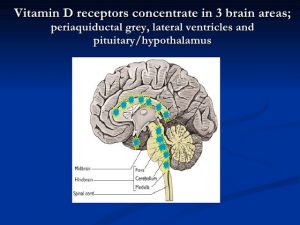
[TheHill….October 09, 2018]
“The economic impact of managing diet-related chronic conditions in the United States is estimated at over $1 trillion per year and growing.”
.
“Yet, the evidence base for making many specific dietary recommendations remains suboptimal and often contradictory. Robust, independent research in nutritional science is an urgent public health priority.”
.
“The aggregate sum of research funding set aside for nutritional research across these and all other federal agencies is estimated to be only $1.5 billion annually. To put this into perspective, national spending on candy is about $50 billion per year.”
https://thehill.com/opinion/healthcare/410620-the-case-for-a-national-institute-of-nutrition
Sad situation.
Saw a post by Austin Police Association.
Wife of an Austin police officer posted a lengthy detailed account of what happened to her husband after taking Lamictal [lamotrigine] as prescribed.
September 15 first pill, 1 month after he started taking it he died, 4am yesterday morning, after more than 2 weeks in the hospital.
Team of doctors at 2 different hospitals were eventually able to diagnose it but not in time.
Reaction to this drug results in immune system reaction that destroys vital organs resulting in death.
Took only 1 month to kill a police officer, a fellow human being who took a medication as prescribed, thinking it would help him. They have a young daughter.
Practitioners of mental healthcare should practice more mental health and less pharmacology. Cognitive Behavior Therapy [CBT]. Learn it!
.
“……the benefits that US health care currently deliver may not outweigh the aggregate health harm it imparts.”
Journal Of The American Medical Association…Volume 302 #1..July 1, 2009…page 89 – 91
.
“106,000 deaths/year from non-error, adverse effects of medications”
[B. Starfield….Is US Health Really the Best in the World…..Journal of The American Medical Association…..Volume 284 #4….July 26, 2000….page 483 – 485]
.
“Every week, about 53,000 excess hospitalizations and about 2400 excess deaths occur in the United States among people taking properly prescribed drugs to be healthier.”
“One in every five drugs approved ends up causing serious harm…..”
[Dr. Donald Light, 2013…..Risky Drugs: Why The FDA Cannot Be Trusted….University of Medicine and Dentistry of New Jersey….Harvard University Center For Ethics]
.
.
The drug he was prescibed………
[April 25, 2018] FDA: Lamotrigine Linked to Potentially Life-Threatening Adverse Reaction
“The Food and Drug Administration (FDA) has issued a safety alert regarding the use of lamotrigine and the possibility of hemophagocytic lymphohistiocytosis (HLH), a rare but serious immune system reaction.”
.
“According to the FDA, 8 cases of confirmed or suspected HLH associated with lamotrigine have been reported worldwide (2 in the US). All of these cases were reported to have serious outcomes, with 1 reported death.”
.
“Symptoms of HLH had occurred within 8 to 24 days after starting treatment….”
.
“Prompt recognition of HLH is important as severe inflammation can lead to multi-organ failure resulting in hospitalization and death.“
.
The post by his wife…….
Some of you know that Nammy/Norm/Norman/Boo has been sick the last few weeks. For those of you who didn’t know, we were just keeping it quiet until we knew more about his illness. I am heartbroken to share the news that he passed away early this morning at 3:50am. He didn’t want people to know the specifics of his illness and what caused it, but I feel it is important to share, especially if it can help someone else in the future.
He started taking a medicine called Lamictal on 9/15. He was instructed to take one 25mg pill for 7 days, and then 2 pills for 7 days, eventually arriving at a dose of 4 pills per day over the next few weeks. On day 11, he came home from work feeling lethargic and with chills. That night, he spiked a fever and it was close to 101 when he got up in the morning. Of course, he thought he could go to work, but I told him to get his butt back to bed. After a lot of griping and complaining, he listened to me and stayed home. The next day he stayed home again and by Friday 9/28 I made him go the doctor. He was swabbed for flu and when that was negative, they treated for a virus and told him he’d be ok in a few days. By Sunday, he was feeling really bad, aches everywhere including his head and back. All the while still taking the Lamictal, which was now on the 2 pill dose. He stopped eating and drinking and on Monday 10/1 his lips were turning white and he hadn’t peed at all. I thought he was getting dehydrated and possibly having a kidney infection, so I told him we were going to the ER. This time he didn’t fight me.
We checked into the ER at Seton Southwest on 10/1 at 4pm. They gave him fluids and a blood panel, and the results showed his kidney and liver functions were impaired. I asked what his creatinine was and they said 6.9 – a normal kidney’s creatinine level should be less than 1.0. I knew that was bad, and the dr suggested we go to Seton Main, since they had more experienced doctors there. She suspected a toxic reaction to the Lamictal, and that was it. He was transferred by ambulance and we arrived on the 4th floor by 10pm.
The admitting doctor assessed his situation, asked us questions like if we traveled out of the country recently – we hadn’t – only to Orlando – and if he could have been bitten by a flea or tick. I mentioned the toxic reaction to the Lamictal, and he kind of blew that off. They took a bunch more blood, and determined he needed to go to the IMC unit – intermediate care, where they could assess him better. This was 3am. The nurses there got him all set up and started doing assessments, including neurological. He started sounding confused and not making sense, so they waited and did it again. He knew he was in the hospital and that it was 2018. An hour later, he thought it was 2009. When I asked if he knew when Jordyn’s birthday was, he said September (its December.) The nurse asked who Jordyn was and he said his daughter. When asked how old she was, he said 7 or 8. She’s 10. This went on a few more times, where he knew less and less and was getting less coherent. The next morning, he ate a little breakfast but still was sounding confused and incoherent. They decided later that afternoon to send us to ICU where he could have more attentive staff and monitored care. This was Tuesday 10/2.
Over the next day we met with specialists in Renal, Infectious Disease, Hematology, Internal Medicine and Neurology to figure out what was wrong. By Thursday, it was evident his kidneys were failing even more, so they put him on dialysis. They planned to give this to him in 4 hour increments every day or so. The infectious disease doc took a ton of blood, and sent samples all over the country, including the Mayo Clinic. Neuro came in and did an EEG to asses his brain, because by this time, he wasn’t communicating at all. Catscans, MRIs and sonograms of brain and abdomen were done as well to make sure his other organs were functioning. Everything came back negative, and by this time, Neuro, Infectious Disease and Hematology had done research and were convinced he had this disease called HLH, which was induced by the Lamictal. An FDA Study was released in April 2018, warning doctors of these potentially fatal symptoms associated with HLH and advised them prescribing Lamictal to be aware of these side effects. We knew about a possible rash side effect, but not these, and the rash didn’t appear until day 3 in the hospital. After doing research on treating Lamictal induced HLH, he was started on a 2x a week chemotherapy treatment and a daily steroid. He also had a 1x a week intrathecal chemo treatment into his spinal cord fluid. He also had a bone marrow biopsy to look for cells indicative of HLH and those were present, along with some other blood markers associated with the disease. All doctors were confident the treatments would work.
He had some up days and some down days. He was given platelets and blood to help his numbers regulate. Due to the chemo, his WBC were basically non-existent, making his body unable to fight infection. His breathing became too labored and he was intubated and placed on a respirator. He was sedated, but when they turned sedation down to assess his cognitive abilities, he was able to squeeze hands, wiggle toes and blink on command. They had him on a few breathing trials to how he could breathe on his own, while still hooked up to the machine. On Sunday 10/14 it appeared he was getting better, and they were targeting him to get off the respirator in the next 2 days. On Monday 10/15 his breathing became more labored, all through the evening, and they were suctioning a lot of fluid from his lungs. He was also getting some residual blood in his feeding tube, and they couldn’t determine where it was coming from. On Tuesday (yesterday), the GI team was consulted, and they did an endoscopy to see what was going on in his GI tract. His stomach was fine, but the tissue in the esophagus and the small intestine was necrotic – meaning dead tissue. By this point his liver function was getting worse, and they had already put him on continuous dialysis which we knew wasn’t working. All of these things were putting pressure on his heart, and his body finally was unable to take it.
I arrived at the hospital early this morning, just in time to say goodbye, and hold his hand as he took his last breath. My life will never be the same again, as he was my best friend and soulmate for the last 25 years. He was an incredible husband and amazing father. Everyone that knew him loved him. His quick wit and sense of humor made everyone around him laugh, and he was the kind of person who would do anything for his friends or family. I know he will be missed by everyone who had a relationship with him.
Thanks for reading and listening. I mainly wanted to share the details of his illness to make everyone aware, but to also bring awareness to medication side effects. They are very real and can have serious consequences. If anyone now currently takes Lamictal, please contact your doctor, tell him about our story, and get your blood tested. I’ll be posting more about this as I work with his doctors to educate more people on this terrible disease. I want to thank everyone for your thoughts, prayers and support during this difficult time. Jordyn and I will get through this with the support of our family and friends. At this time, we don’t have a service scheduled. I’ll provide more information as those events unfold.
Thank you
Amy
“….multiple toxicity studies indicate risks to human health when plastic particles are ingested……”
“This study investigates the presence of anthropogenic particles in 159 samples of globally sourced tap water, 12 brands of Laurentian Great Lakes beer, and 12 brands of commercial sea salt.”
“Of the tap water samples analyzed, 81% were found to contain anthropogenic particles. The majority of these particles were fibers (98.3%) between 0.1–5 mm in length.”
“…..debris was found in each brand of beer and salt. Of the extracted particles, over 99% were fibers.”
“…..the average number of particles found in beer was 4.05 particles/L with a range of 0 to 14.3 particles/L and the average number of particles found in each brand of salt was 212 particles/kg with a range of 46.7 to 806 particles/kg.”
“Based on consumer guidelines, our results indicate the average person ingests over 5,800 particles of synthetic debris from these three sources annually, with the largest contribution coming from tap water (88%).”
[JAMA Internal Medicine, October 22, 2018]
“According to a 2018 European Food Safety Authority report, 44% of conventionally produced food samples contained 1 or more quantifiable residues, while 6.5% of organic samples contained measurable pesticide residues.”
.
“In line with this report, diets mainly consisting of organic foods were linked to lower urinary pesticide levels compared with “conventional diets” in an observational study of adults carried out in the United States. This finding was more marked in a clinical study from Australia and New Zealand conducted in adults.”
.
“….natural pesticides allowed in organic farming in the European Union exhibit much lower toxic effects than the synthetic pesticides used in conventional farming.”
.
“Among 68,946 participants, 1340 first incident cancer cases were identified during follow-up, with the most prevalent being 459 breast cancers, 180 prostate cancers, 135 skin cancers, 99 colorectal cancers, 47 non-Hodgkin lymphomas, and 15 other lymphomas.”
.
“High organic food scores were inversely associated with the overall risk of cancer.”
.
“A higher frequency of organic food consumption was associated with a reduced risk of cancer. Although the study findings need to be confirmed, promoting organic food consumption in the general population could be a promising preventive strategy against cancer.”
“…..to determine the impact of all-cause inpatient harms on hospital finances and patient clinical outcomes.”
“A retrospective analysis of inpatient harm from 24 hospitals in a large multistate health system was conducted during 2009 to 2012….”
.
“Inpatient harms were detected and categorized into harm (F–I), temporary harm (E), and no harm.”
.
“Of the 21,007…..2818 (13.4%) experienced temporary harm, and 2579 (12.3%) experienced harm.”
.
“A patient with harm was estimated to have higher total cost ($4617), higher variable cost ($1774), lower contribution margin (−$1112), longer length of stay (2.6 days), higher mortality probability (59%), and higher 30-day readmission probability (74.4%).”
.
“A patient with temporary harm was estimated to have higher total cost ($2187), higher variable cost ($800), lower contribution margin (−$669), longer length of stay (1.3 days), mortality probability not statistically different, and higher 30-day readmission probability (54.6%).”
.
“Total health system reduction of harm was associated with a decrease of $108 million in total cost, $48 million in variable cost, an increase of contribution margin by $18 million, and savings of 60,000 inpatient care days.”
.
“This all-cause harm safety study indicates that inpatient harm has negative financial outcomes for hospitals and negative clinical outcomes for patients.”
.
L.Alder, et al
Impact of Inpatient Harms on Hospital Finances and Patient Clinical Outcomes
Journal of Patient Safety — Volume 14 #2 — June 2018 — page 67
———————————————-
.
“……the benefits that US health care currently deliver may not outweigh the aggregate health harm it imparts.”
Journal Of The American Medical Association…Volume 302 #1..July 1, 2009…page 89 – 91
“…..to determine the impact of all-cause inpatient harms on hospital finances and patient clinical outcomes.”
“A retrospective analysis of inpatient harm from 24 hospitals in a large multistate health system was conducted during 2009 to 2012….”
.
“Inpatient harms were detected and categorized into harm (F–I), temporary harm (E), and no harm.”
.
“Of the 21,007…..2818 (13.4%) experienced temporary harm, and 2579 (12.3%) experienced harm.”
.
“A patient with harm was estimated to have higher total cost ($4617), higher variable cost ($1774), lower contribution margin (−$1112), longer length of stay (2.6 days), higher mortality probability (59%), and higher 30-day readmission probability (74.4%).”
.
“A patient with temporary harm was estimated to have higher total cost ($2187), higher variable cost ($800), lower contribution margin (−$669), longer length of stay (1.3 days), mortality probability not statistically different, and higher 30-day readmission probability (54.6%).”
.
“Total health system reduction of harm was associated with a decrease of $108 million in total cost, $48 million in variable cost, an increase of contribution margin by $18 million, and savings of 60,000 inpatient care days.”
.
“This all-cause harm safety study indicates that inpatient harm has negative financial outcomes for hospitals and negative clinical outcomes for patients.”
.
L.Alder, et al
Impact of Inpatient Harms on Hospital Finances and Patient Clinical Outcomes
Journal of Patient Safety — Volume 14 #2 — June 2018 — page 67
———————————
“……the benefits that US health care currently deliver may not outweigh the aggregate health harm it imparts.”
Journal Of The American Medical Association…Volume 302 #1..July 1, 2009…page 89 – 91
“In April, the WHO declared that the problem “threatens the achievements of modern medicine. A post-antibiotic era — in which common infections and minor injuries can kill — is a very real possibility for the 21st century.”
.
“……a report on antibiotic resistance linked to an executive order from President Barack Obama, who directed the National Security Council to work with a governmental task force and a nongovernmental advisory council to develop a national action plan by February 2015.”
.
“…..antibiotics in a market that is currently worth more than $40 billion annually for drugs that are starting to fail.
.
C.Nathan, M.D., et al
Resistance — Problems, Progress, and Prospects
New England Journal Of Medicine…..volume 371 #19…..November 6, 2014….page 1761 – 1763
.
[CNBC, December 11, 2014…..Drug resistance deadlier than cancer by 2050……by Catherine Boyle]
“Infections resistant to medicines will kill more people per year than cancer by 2050, and cost the world $100 trillion annually, according to a U.K. government-backed report led by Jim O’Neill, the well-known former Goldman Sachs economist.”
“The wide-ranging study, called the Review on Antimicrobial Resistance, was commissioned by the U.K. government earlier this year amid growing concerns about drug-resistant “superbugs”, including new strains of E. coli, malaria and tuberculosis.”.
“Its forecasts, based on research by RAND Europe and KPMG, suggest that drug resistance, which is estimated to have caused around 700,000 deaths globally this year, will cause 10 million by 2050 if further action is not taken.”
.
“In the study, 18% of physicians or other providers rejected the recommendations and continued giving their patients the antibiotics they had prescribed. Patients whose health care professionals didn’t follow those recommendations had a 3.5% readmission rate within 30 days and an 82-hour average length of stay. But when physicians and other providers did follow the guidance to stop or change an antimicrobial, their patients had no readmissions and a 68-hour average length of stay.”
.
“Inappropriate antibiotic use most likely occurred in patients receiving ceftriaxone/cefotaxime (62%), vancomycin (11%), and meropenem (5%). The most common diagnoses that triggered a recommendation to change antibiotic use were pneumonia (22%), urinary tract infection (19%), and presumed sepsis (9%).”
.
A.Slomski
Antibiotics for Children: When Less Is More
Journal Of The American Medical Association…..Volume 312 #20…..November 26, 2014……page 2079 – 2080

[FDA, December 24, 2013]
“……antibacterial soap products contain chemical ingredients, such as triclosan and triclocarban, which may carry unnecessary risks given that their benefits are unproven.”
.
“New data suggest that the risks associated with long-term, daily use of antibacterial soaps may outweigh the benefits,” Rogers says. There are indications that certain ingredients in these soaps may contribute to bacterial resistance to antibiotics, and may have unanticipated hormonal effects that are of concern to FDA.”
.
[FDA, September 2, 2016]
“Companies will no longer be able to market antibacterial washes with these ingredients because manufacturers did not demonstrate that the ingredients are both safe for long-term daily use and more effective than plain soap and water in preventing illness and the spread of certain infections.
“This final rule applies to consumer antiseptic wash products containing one or more of 19 specific active ingredients, including the most commonly used ingredients – triclosan and triclocarban.”
“Consumers may think antibacterial washes are more effective at preventing the spread of germs, but we have no scientific evidence that they are any better than plain soap and water,” said Janet Woodcock, M.D., director of the FDA’s Center for Drug Evaluation and Research. “In fact, some data suggests that antibacterial ingredients may do more harm than good over the long-term.”
“Begin with the end in mind”—-[Stephen Covey]
Photo of the stuff that I put my food/drink in or on. Along the path to better nutrient consumption, weight loss, and/or better supplements, etc in today’s world it may be wise to look at what you place your food in or on. Glass may reduce your consumption of stuff over the long term that may leach into your food or drink. Plastic particles, plasticizer chemicals, paints, dies, etc. that over a period of years or decades can gradually endup inside your body, and subsequently inside your cells.
.
In our country at present, portion size is the low hanging fruit in the subject matter of weight loss. Perform this task…..visit an antique shop. Look at the standard plate size in the1920’s – 50’s. Compare them to what you have in your kitchen cabinets today. The first thing that goes through people’s minds when they go to smaller plates is….”how do I fit all my food on such a small plate”. That’s pretty much the point. You don’t fit [and can’t] fit all the volume of food you’re accustomed to eating on the small plate.
“Endothelial progenitor cells and microparticles are emerging as novel markers of cardiovascular disease risk, which could potentially be modified by dietary fat. We have previously shown that replacing dietary saturated fatty acids with monounsaturated or n–6 (ω-6) polyunsaturated fatty acids improved lipid biomarkers, blood pressure, and markers of endothelial activation, but their effects on circulating endothelial progenitor cells and microparticles are unclear.”
.
“The Dietary Intervention and VAScular function Study investigated the replacement of 9.5–9.6% of total energy contributed by saturated fatty acids with monounsaturated fatty acids or n–6 polyunsaturated fatty acids for 16 weeks on endothelial progenitor cells and microparticle numbers in United Kingdom adults with moderate cardiovascular disease risk.”
.
“In this randomized, controlled, single-blind, parallel-group dietary intervention, men and women aged 21–60 years (n = 190) with moderate cardiovascular disease risk consumed 1 of three 16-weeks isoenergetic diets.”
.
“The monounsaturated fatty acids-rich diet increased endothelial progenitor cell numbers (+28.4%).”
.
“Replacement of….. saturated fatty acids with monounsaturated fatty acids increased endothelial progenitor cells numbers, and replacement with either saturated fatty acids with monounsaturated or n–6 polyunsaturated fatty acids decreased microparticle numbers, suggesting beneficial effects on endothelial repair and maintenance.”
.
M.Weech, et al
Replacement of dietary saturated fat with unsaturated fats increases numbers of circulating endothelial progenitor cells and decreases numbers of microparticles: findings from the randomized, controlled Dietary Intervention and VAScular function (DIVAS) study
American Journal Of Clinical Nutrition — Volume 107 #6 — June 2018 — page 876
.
.
TheETG nutrition medicine —–
https://theetgtrackclub.com/documents/TheETGnutrimedicine.pdf
.
TheETG heart disease repair —–
https://theetgtrackclub.com/documents/TheETGheartfix.pdf
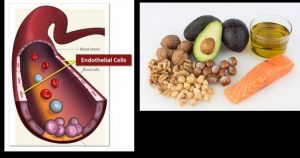
“Walking pace is associated with risk of premature mortality.”
“We examined the associations between walking pace and cause-specific mortality, investigating the potential modifying effect of factors such as total physical activity volume, highest physical activity intensity, age, sex and body mass index.”
.
“Prospective pooled analysis of 11 population-based baseline surveys in England and Scotland between 1994 and 2008 that were linked with mortality records.”
.
“50,225 walkers were entered in the core analyses. Among participants who did not experience an event in the first 2 years of follow-up (n=49 731), walking at an average or brisk/fast pace was associated with a reduced risk of all-cause (20%) and 24%, respectively) and Cardiovascular disease mortality (24% and 21%, respectively), compared with reporting walking at a slow pace.”
.
“……such associations were evident among those over 50 years, those not meeting the physical activity recommendations and those who did not undertake vigorous-intensity activity.”
.
“No associations were seen between pace and cancer mortality.”
.
“…..these analyses suggest that increasing walking pace could reduce risk for all-cause and Cardiovascular Disease mortality. Walking pace could be emphasised in public health messages, especially in situations when increase in walking volume or frequency is less feasible.”
.
E.Stamatakis, et al
Self-rated walking pace and all-cause, cardiovascular disease and cancer mortality: individual participant pooled analysis of 50 225 walkers from 11 population British cohorts
British Journal Of Sports Medicine — Volume 52 #12 — June 2018
.
.
Training To Live Training For Life………
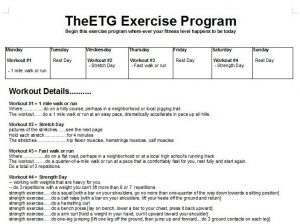
The quackery of tradional medicine……….
“Statins are the most widely prescribed, cholesterol-lowering drugs in the world.”
“Despite the expiration of their patents, revenue for statins is expected to rise, with total sales on track to reach an estimated $1 trillion by 2020.”
.
“A bitter dispute has erupted among doctors over suggestions that statins should be prescribed to millions of healthy people at low risk of heart disease. There are concerns that the benefits have been exaggerated and the risks have been underplayed.”
.
“….the raw data on the efficacy and safety of statins are being kept secret and have not been subjected to scrutiny by other scientists.”
.
“Doctors and patients are being misled about the true benefits and harms of statins……”
.
M.Demasi
Statin wars: have we been misled about the evidence? A narrative review
British Journal Of Sports Medicine — Volume 52 #14 — July 2018
good bacteria & immune system functioning………
“A mounting body of evidence indicates that diverse microbial metabolites profoundly regulate the immune system via host receptors and other target molecules.”
.
“Immune cells express metabolite‐specific receptors such as P2X7, GPR41, GPR43, GPR109A, aryl hydrocarbon receptor precursor (AhR), pregnane X receptor (PXR), farnesoid X receptor (FXR), TGR5 and other molecular targets.”
.
“Microbial metabolites and their receptors form an extensive array of signals to respond to changes in nutrition, health and immunological status. As a consequence, microbial metabolite signals contribute to nutrient harvest from diet, and regulate host metabolism and the immune system.”
.
“Importantly, microbial metabolites bidirectionally function to promote both tolerance and immunity to effectively fight infection without developing inflammatory diseases. In pathogenic conditions, adverse effects of microbial metabolites have been observed as well. Key immune‐regulatory functions of the metabolites, generated from carbohydrates, proteins and bile acids, are reviewed in this article.”
.
CH.Kim
Immune regulation by microbiome metabolites
Immunology — Volume 154 #2 — June 2018 — page 220
.
good bacteria -vs- multiple sclerosis…………
“A vast number of studies have demonstrated a remarkable role for the gut microbiota and their metabolites in the pathogenesis of inflammatory diseases, including multiple sclerosis.”
“Recent studies in experimental autoimmune encephalomyelitis, an animal model of multiple sclerosis, have revealed that modifying certain intestinal bacterial populations may influence immune cell priming in the periphery, resulting in dysregulation of immune responses and neuroinflammatory processes in the central nervous system.”
.
“Conversely, some commensal bacteria and their antigenic products can protect against inflammation within the central nervous system.”
.
“Specific components of the gut microbiome have been implicated in the production of pro‐inflammatory cytokines and subsequent generation of Th17 cells. Similarly, commensal bacteria and their metabolites can also promote the generation of regulatory T‐cells, contributing to immune suppression.”
.
“Short‐chain fatty acids may induce Treg either by G‐protein‐coupled receptors or inhibition of histone deacetylases. Tryptophan metabolites may suppress inflammatory responses by acting on the aryl hydrocarbon receptor in T‐cells or astrocytes.”
.
“Interestingly, secretion of these metabolites can be impaired by excess consumption of dietary components, such as long‐chain fatty acids or salt, indicating that the diet represents an environmental factor affecting the complex crosstalk between the gut microbiota and the immune system.”
.
“This review discusses new aspects of host–microbiota interaction and the immune system with a special focus on multiple sclerosis as a prototype T‐cell‐mediated autoimmune disease of the central nervous system.”
.
S.H.Aiden, et al
Impacts of microbiome metabolites on immune regulation and autoimmunity
Immunology — Volume 154 #2 — June 2018 — page 230
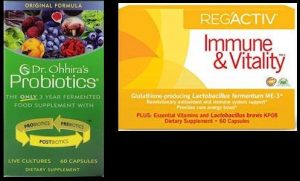
“A metastatic hormone receptor–positive breast cancer, usually resistant to immunotherapy, is successfully treated with tumor-infiltrating lymphocytes enriched for neoantigen reactivity, underscoring the broad potential of this immunotherapeutic approach.”
.
L.G.Radvanyi
Targeting the cancer mutanome of breast cancer
Nature Medicine — Volume 27 #6 — June 2018 — page 703
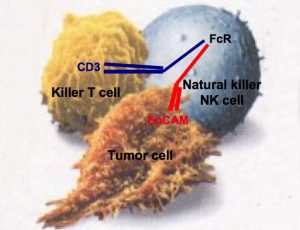
Amazing, all new, 21rst Century medical breakthroughs
Breaking news, this just in……
— An upset stomach isn’t caused by a Tums or Rolaids deficiency
— Depression isn’t caused by an anti-depressant deficiency
— Heart Disease isn’t caused by a cholesterol lowering drug deficiency
— Cancer isn’t caused by a chemotherapy or radiation deficiency
.
Our changing health care system.
Here are –your– new doctors. There are many.
Several are specialists. Meet with them regularly.
They will help you add decades of youthful living to your life.
Here are their names…..
Dr. Walking
Dr. Sleep
Dr. Sunset-watching
Dr. Down-Time
Dr. Nutrition
Dr. Laughter-StandupComedy
Dr. Strength training
Dr. Relaxation
Dr. Sunlight-Exposure
Dr. Yoga
Dr. Meditation
Dr. Jogging
Dr. Nutrient-Based-Medicine
Dr. Mind-Body Medicine
.
“Better health care will depend, not on some new therapeutic standard, but on the level of willingness and competence to engage in self care.”
[Dr. I. Illich….1978]
“Increasing concern is evident about contamination of foodstuffs…..”
“Common off-the-shelf varieties of black, green, white, and oolong teas sold in tea bags were used for analysis in this study. Toxic element testing was performed on 30 different teas…..”
.
“All brewed teas contained lead with 73% of teas brewed for 3 minutes and 83% brewed for 15 minutes having lead levels considered unsafe for consumption during pregnancy and lactation. Aluminum levels were above recommended guidelines in 20% of brewed teas.”
.
“No mercury was found at detectable levels in any brewed tea samples.”
.
“….manganese levels were found to be excessive in some black teas.”
.
“Toxic contamination by heavy metals was found in most of the teas sampled. Some tea samples are considered unsafe.”
.
“There are no existing guidelines for routine testing or reporting of toxicant levels in “naturally” occurring products. Public health warnings or industry regulation might be indicated to protect consumer safety.”
.
G.Schwalfenberg, S.J. Genuis, I.Rodushkin
The Benefits and Risks of Consuming Brewed Tea: Beware of Toxic Element Contamination
Journal Of Toxicology — October 23, 2013
Game changer!
Potential to permantly alter the drug company industry. Box of baking soda costs less than $1. Inflamation and auto-immune diseases are a massive chunk of drug company profits.
[results of a 1/2 teaspoon of baking soda in bottle of water for 2 weeks]……
“In the spleen, as well as the blood and kidneys, they found after drinking water with baking soda for two weeks, the population of immune cells called macrophages, shifted from primarily those that promote inflammation, called M1, to those that reduce it, called M2. Macrophages, perhaps best known for their ability to consume garbage in the body like debris from injured or dead cells, are early arrivers to a call for an immune response.”
.
“Clinical trials have shown that a daily dose of baking soda can not only reduce acidity but actually slow progression of the kidney disease, and it’s now a therapy offered to patients.”
.
“The scientists also saw a shift in other immune cell types, like more regulatory T cells, which generally drive down the immune response and help keep the immune system from attacking our own tissues. That anti-inflammatory shift was sustained for at least four hours in humans and three days in rats.”
.
“O’Connor hopes drinking baking soda can one day produce similar results for people with autoimmune disease.”
Drinking baking soda could be an inexpensive, safe way to combat autoimmune disease
——–“…. women with blood levels of vitamin D in the 60 ng/ml range had an 80% lower breast cancer risk compared to women with less than 20 ng/ml.”
Vitamin B12 levels and abnormal pap smears……
“This study aimed to explore the risk of abnormal cervical cytology in relation to serum folate and vitamin B12 levels……”
“A case-control study was carried out among women attending the gynecology clinic for cervical cytology screening.”
“103 cases with abnormal cervical cytology of the cervix and 175 controls with cytological normal smears……”
“The mean vitamin B12 level of cases was significantly lower than that of controls.”
“The results of this study suggest that lower vitamin B12 levels are associated with abnormal cervical cytology.”
.
H.Yüksel, et al.
Folate and vitamin B12 levels in abnormal pap smears: a case control study.
Europpean Journal Of Gynaecological Oncology — 2007
Financial conflict among sports medicine doctors that publish research…….
“Inaccurate disclosures of physician and industry relationships in scientific reporting may create an asymmetry of information by hiding potential biases. The accuracy of conflict of interest disclosure in sports medicine research…..”
“…..financial disclosures in published articles in 2016 in the American Journal of Sports Medicine with the Centers for Medicare and Medicaid Services’ Open Payments Database to determine the percentage of payments values and percentage of eligible authors with discrepancies.”
“Stated disclosures in American Journal of Sports Medicine publications for these authors were identified and compared with industry-reported payments on Open Payments Database.”
“A total of 434 authors were included in this study. Mean and median total payments per author per year were $76,941 and $1692, respectively.”
“The most commonly received payment was for food and beverage (81.3% of authors), followed by travel and lodging (45.4%) and consulting (31.8%).”
“Authors with higher total payments were less likely to be discrepant in their reporting—notably, authors earning >$500,000 had 16.1% of payment values with discrepancy, as opposed to 85.3% for those earning <$10,000.”
“First authors had a lower percentage of payment values with discrepancy (13.8%) versus middle authors (31.9%). Finally, men had a lower percentage of payment values with discrepancy (418 authors, 22.3% of payment values with discrepancy) as compared with women (16 authors, 95.3%).”
“Regarding industry payments specifically requested on the American Journal of Sports Medicine disclosure form for authors (royalties, consulting, research payments, and ownership and investments)……25.3% of authors had a discrepancy in these payment categories in aggregate.
“Discrepancies exist between disclosures reported by authors publishing in American Journal of Sports Medicine and what is reported in the Open Payments Database. Authors receiving lower total payments, middle authors, and women are more likely to have disclosure discrepancies.”
“Additionally, industry research funding support and ownership interest are most likely to go unreported.”
V.Boddapati, et al
Accuracy Between AJSM Author-Reported Disclosures and the Centers for Medicare and Medicaid Services Open Payments Database
American Journal Of Sports Medicine — Volume 46 #4 — March 2018 — page 969
“Aerobic exercise training……can reduce migraine days and improve retinal microvascular function. Our aim was to elucidate whether different aerobic exercise programs at high vs moderate intensities distinctly affect migraine days as primary outcome and retinal vessel parameters as a secondary.”
In this randomized controlled trial, migraine days were recorded by a validated migraine diary in 45 migraineurs of which 36 (female: 28; age: 36 completed the training period (dropout: 20%).”
.
Participants were assigned to either high intensity interval training, moderate continuous training, or a control group.”
.
“Intervention groups trained twice a week over a 12‐week intervention period.”
.
“Overall, moderate migraine day reductions were observed .12): high intensity interval training revealed 89% likely beneficial effects compared to moderate continuous training and control group.”
.
“High intensity interval training seems more effective for migraine day reduction and improvement of cerebrovascular health compared to moderate continuous training. Intermittent exercise programs of higher intensities may need to be considered as an additional treatment option in migraine patients.”
.
H.Hanssen, et al
Effects of different endurance exercise modalities on migraine days and cerebrovascular health in episodic migraineurs: A randomized controlled trial
Scandinavian Journal Of Medicine & Science in Sports — Volume 28 #3 — March 2018 — page 1103
“……studies have consistently shown associations between elevated concentrations of urban particulate matter air pollution and exacerbations of asthma and chronic obstructive pulmonary disease, which are both associated with viral respiratory infections.”
’……little work has focused on CD8 T‐lymphocyte responses despite their importance in anti‐viral immunity. To address this, we examined the effects of urban particulate matter on DC‐stimulated naive CD8 T‐cell responses.”
.
“These data demonstrate that urban particulate matter treatment of mDCs enhances priming of naive CD8 T lymphocytes and increases production of pro‐inflammatory cytokines.”
.
“Such urban particulate matter‐induced stimulation of CD8 cells may potentiate T‐lymphocyte cytotoxic responses upon concurrent airway infection, increasing bystander damage to the airways.”
.
P.E.Pfeffer, et al
Urban particulate matter stimulation of human dendritic cells enhances priming of naive CD8 T lymphocytes
Immunology — Volume 153 #4 — April 2018 — page 502

“Lithium in tap water was previously found to have life-extending effects across 18 Japanese municipalities. Using a larger dataset with several Texas counties, our study shows that lithium concentrations in tap water are negatively associated with all-cause mortality and years of potential life lost.”
.
“Thus, our present findings extend and reinforce lithium’s purported life-prolonging effect in humans.”
.
“Lithium is an essential trace element that is most commonly known for its use in treating bipolar disorder, albeit at relatively high doses (900–1200mg per day) where adverse events including renal damage, thyroid disorders, and gastrointestinal disturbances have been observed. At much lower doses, lithium acts as a nutrient exerting positive effects not only on mental health but also on cognitive function.”
.
“…..the effects of trace lithium on lifespan are impressive since the concentrations of lithium in water can be 1000-fold less than the therapeutic doses used for bipolar disorder.”
.
“Here, we examined the association between trace lithium and all cause-mortality with a much larger dataset using data readily obtained from 234 counties in Texas, United States. We also examined the association between trace lithium and premature death as indicated by years of potential life lost.”
“….our study is observational and ecological in its design, and therefore a causal link between lithium exposure and reduced mortality may not be established. Although life-long intervention studies in humans may not be feasible, our study enhances the generalizability of the findings from Zarse et al. (2011), and reinforces the notion that lithium may extend lifespan in humans.”
.
“….lithium is a well-known inhibitor of glycogen synthase kinase 3, and glycogen synthase kinase 3 inhibition has been shown to be required for lithium’s life-prolonging effects…..”
.
“….low-dose lithium treatment also alters histone methylation, chromatin remodelling, and mitochondrial turnover, which can all influence longevity…..”
.
V.A.Fajardoab, P.J.LeBlancab, V.A.Fajardoc
Trace lithium in Texas tap water is negatively associated with all-cause mortality and premature death
Canadian Journal of Applied Physiology, Nutrition, and Metabolism – Volume 43 #4 – April 2018

Facebook friends research scientist Rhonda Patrick and husband Daniel in San Diego, Calfornia own the “Found My Fitness” website. Via their website they proliferate free, empowering research information in nutrition medicine and health via video of Rhonda’s lectures as well as her extensive interviews of leading researchers……..
[Rhonda Patrick PhD]—“A new study found that using the sauna was associated with a decrease in a biomarker of inflammation (CRP) in a dose-dependent manner. The more frequent the sauna use…the more robust the effect of lowering inflammation. This study was published early this year from with one of the world’s leading sauna researchers, Dr. Jari Laukkanen.”
.
“To learn more about the effects of using the sauna on human health check out my podcast with Dr. Jari Laukkanen”:
https://www.foundmyfitness.com/episodes/jari-laukkanen
.
[study]—–“Using the sauna 2-3 times per week (20 minutes at 174º F) was associated with: 27% lower cardiovascular disease risk, 24% lower all-cause mortality, and a 20% lower risk of Alzheimer’s disease compared to men that only used the sauna one time per week. Using the sauna 4-7 times per week (20 minutes at 174º F) was associated with: 50% lower cardiovascular disease risk, 40% lower all-cause mortality, and a 66% lower risk of dementia and a 65% lower risk of Alzheimer’s disease compared to men that used the sauna once a week.”

TheETG menu’s 4 vegetables;
Broccoli, cucumber, carrot, Romano tomato
To increase delivery of fat soluble substances contained in these vegetables I add a source of fat via Australian macnut oil poured on top of the vegetables. Contains minerals and essential fats.
.
“When tomatoes and broccoli are eaten together, we see an additive effect. We think it’s because different bioactive compounds in each food work on different anti-cancer pathways…”
[John Erdman, Professor of Food Science, University of Illinois]
.
.
Placing mechanical or physical stress [ie. cutting them, then chewing them] activates plant chemicals contained in them, increasing their impact on brain cells, immune system, and other cells in the body.
.
iso-thio-cya-nates, sulforaphane……activate specific genes in our cells for anti-oxidant enzymes and detoxifying enzymes, most of them referred to collectively as Phase 2 enzymes. Believed to be among the main mechanisms by which certain vegetables have the ability to prevent cancer and heart disease. Aside from supplying anti-oxidants in the vegetables themselves they have this ability to cause cells in our body to produce other anti-oxidants as well.
.
“Sulforaphane, one of the most important isothiocyanates in the human diet, present in cruciferous vegetables, is known to have chemopreventive activities in different tissues.”
“The observed Sulforaphane-induced upregulation of phase II enzymes was accompanied by a significant increase in nuclear erythroid 2 p45-related factor 2 expression and correlated with a significant increase in total antioxidant capacity…..”
M.Malaguti, et al
Sulforaphane treatment protects skeletal muscle against damage induced by exhaustive exercise in rats
Journal Of Applied Physiology…….Volume 107……August 2009……page1028

symptoms of Alzheimer’s –vs– fat soluble form of vitamin B1
Terms…..
— Mini-Mental Status Examination = measurement of cognitive function.
Maximum score is 30 points.
Score of 20 to 24 suggests mild dementia,
Score of 13 to 20 suggests moderate dementia,
Score of 12 and below indicates severe dementia.
The score of a person with Alzheimer’s declines 2 to 4 points each year
— benfotiamine = a fat soluble form of the water soluble B vitamin called Thiamine, also known as Vitamin B1, has better bioavailability than thiamine, and does better at getting into the brain
background info…..
Xiaoli Pan, et al. Zhongshan Hospital, Shanghai, China……..
—– “A disturbance of brain glucose metabolism is one of the most important pathophysiological features, and precedes the overt symptoms of Alzheimer’s disease by decades…..”
—– “Both the Thiamine diphosphate level and the activity of Thiamine diphosphate-dependent enzymes are significantly reduced in blood and brain autopsy samples from Alzheimer’s disease patients….Thiamine diphosphate reduction is a significant biomarker for Alzheimer’s disease diagnosis……disruption of thiamine metabolism directly contributes to Alzheimer’s disease pathogenesis by perturbing glucose utilization and by activating multiple pathophysiological cascades in the brain.”
—– “The better bioavailability and the pharmacological effects via multiple mechanisms against abnormal glucose metabolism and its consequences may explain why benfotiamine administration but not thiamine supplementation had a long-term beneficial effect on cognitive ability in Alzheimer’s disease patients.”
—– “befotiamine has beneficial effects against abnormal glucose metabolism and its consequences via multiple mechanisms, including the elimination of oxidative stress and the inhibition of glycogen synthase kinase-3, which are both considered to be major pathogenic factors that cause neurodegeneration in Alzheimer’s disease“
.
“Here, we report that long-term administration of benfotiamine improved the cognitive ability of patients with Alzheimer’s disease.”
“Five patients with mild to moderate Alzheimer’s disease received oral benfotiamine (300mg daily) over 18 months.”
“All patients received oral benfotiamine (300mg/day; Doctor’s Best, Irvine, California) over 18 months.”
“All patients were examined by positron emission tomography with Pittsburgh compound B (PiB-PET) and exhibited positive imaging with β-amyloid deposition, and three received PiB-PET imaging at follow-up.”
“The five patients exhibited cognitive improvement as assayed by the Mini-Mental Status Examination with an average increase of 3.2 points at month 18 of benfotiamine administration.”
“The three patients who received follow-up PiB-PET had a 36.7% increase in the average standardized uptake value ratio in the brain compared with that in the first scan. Importantly, the MMSE scores of these three had an average increase of 3 points during the same period. Benfotiamine significantly improved the cognitive abilities of mild to moderate Alzheimer’s disease patients independently of brain amyloid accumulation.”
“These results indicate that brain dysfunction may be independent of amyloid deposition and that the disease progression can be halted in the dementia stage of Alzheimer’s disease.”
“Our study showed that Alzheimer’s disease patients with mild-to-moderate dementia manifested a long-term (over 18 months) improvement in cognitive ability after benfotiamine administration, despite the progressive exacerbation of brain amyloid accumulation as evaluated by PiB-PET scans.”
“These results reveal two important messages: (1) the progression of brain dysfunction in the dementia stage of Alzheimer’s disease can be halted and even improved
(2) the alteration of cognitive capability is independent of brain amyloid accumulation, which is consistent with previous results showing that the reduction of brain amyloid accumulation by vaccines, antibodies, or β- and γ-secretase inhibitors has little beneficial effect on the cognitive ability and disease progression….”
Xiaoli Pan, et al
Long-Term Cognitive Improvement After Benfotiamine Administration in Patients with Alzheimer’s Disease
Neuroscience Bulletin – Volume 32 #6 – December 2016 – page 591
.

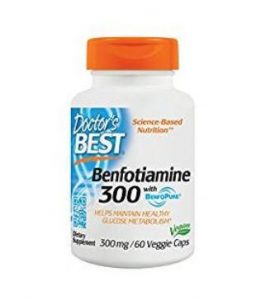
“Low levels of vitamin D were recorded among patients with breast cancer compared with healthy controls. Moreover, low vitamin D levels were common at breast cancer diagnosis and were associated with a poor prognosis; about 94% women with vitamin D level less than 20 ng/mL develop metastases and 73% die of the advanced disease.”
“….retrospective and prospective epidemiologic studies revealed that vitamin D deficiency is associated with increased breast cancer risk.”
M.Atoum, F.Alzoughool
Vitamin D and Breast Cancer: Latest Evidence and Future Steps
Breast Cancer: Basic And Clinical Research – December 20, 2017
“…..vitamin D deficiency may account for several thousand premature deaths from colon, breast, ovarian, and prostate cancer annually.”
C.F.Garland, et al
The Role of Vitamin D in Cancer Prevention
American Journal Of Public Health – Volume 96 #2 – February 2006 – page 252
“….a new study correlates breast cancer survival rates with levels of vitamin D “
“Some studies have suggested that the active metabolite of vitamin D – known as calcitriol – may be anticancerous. Administering calcitriol in mice has been shown to stop the proliferation and growth of cancer cells, reduce tumor blood vessel formation, and stimulate cell death……..some clinical and preclinical studies indicate that avoiding vitamin D deficiency and taking vitamin D supplements might be a cost-effective and safe way to prevent cancer and improve prognosis in patients already diagnosed with the illness.”
“A new study led by Dr. Song Yao, from the Roswell Park Cancer Institute in Buffalo in New York, analyzed data from 1,666 women diagnosed with breast cancer…….The average age of the patients monitored was 58.7 years. Overall, half of the patients were vitamin D deficient……”
“Researchers found a lower level of the vitamin D biomarker in women with advanced-stage tumors.”
“Lower levels of 25OHD were associated with higher tumor stage and grade, and women with the highest levels of 25OHD had higher survival rates overall. Levels of 25OHD also increased proportionally with vitamin D dietary and supplemental intake.”
“Our findings provide compelling observational evidence for inverse associations between vitamin D levels and risk of breast cancer progression and death….”
“The lowest levels were found in premenopausal women with triple-negative cancer. Triple-negative breast cancer is a type of cancer that tests negative for estrogen receptors, progesterone receptors, and HER2 protein.”
A.Sandoiu
Vitamin D may increase survival for breast cancer patients
Medical News Today – Thursday November 10, 2016

.
see the free pdf packets “Competent Self-Care Packets” page of this website.
see more blog entries by clicking on one of the entries….then click on “archives” or page down and click on “more entries”.
.
.
Mind-body medicine is founded on the basic principle that the brain controls or influences the function of all cells in the body by direct connection to them via the nervous system, or via chemical interaction via release of hormones or substances called neuro-peptides.
Hence the importance of and awareness of the existence of mind-body medicine. And the importance of utilizing mind-body medicine and integrating into the practice of medicine in the United States.